
Renters
Rents Are Finally Cooling. Are We Actually in a Renter’s Market Yet?
⚡ QUICK ANSWER
The UK rental market is cooling but not cold. There are now 11% more homes to rent than a year ago and enquiries per property have fallen from 6.5 to 4.8. Rents grew just 1.9% last year, with forecasts of 2-3% for 2026 — the mildest growth since 2020. But supply is still 23% below pre-pandemic levels, so landlords still set most of the terms. You have more options and slightly more negotiating power. You are not paying crisis prices. But it is not yet a true buyer’s market for renters.
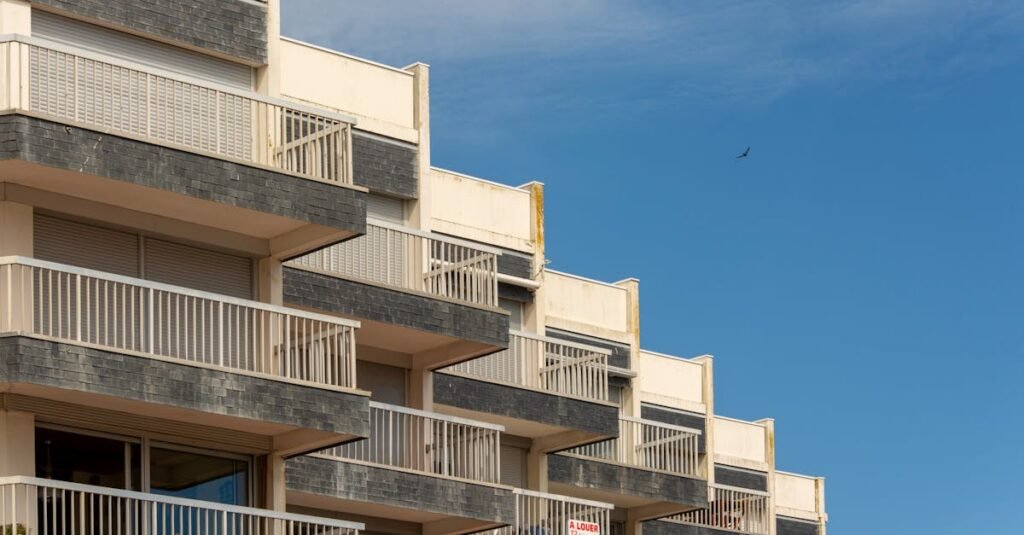
For the first time in five years, the UK rental market is moving in renters’ favour. The shift is real, measurable, and surprising after the panic of 2021 to 2024, when rents climbed 8-10% annually and landlords had queues of desperate tenants outside every viewing. But calling this a renter’s market is premature. The market is cooling, not cold. And the temperature varies wildly depending on where you are looking.
UK Rental Market — Spring 2026
1.9%
annual rent growth — down from 8-10% during the 2021-2024 crisis
Zoopla Rental Market Report, March 2026
4.8
enquiries per property, down from 6.5 last year
Zoopla Rental Market Report, March 2026
Why is supply up and demand down?
Three structural shifts have happened at once.
Landlords are still selling. After eight years of buy-to-let tax changes (Section 24 mortgage interest relief restrictions) and mounting regulatory pressure, small landlords are exiting in record numbers. An estimated 93,000 landlords exited in 2025, with forecasts predicting a further 110,000 departures by the end of 2026. Build-to-rent completions rose 13.4% in 2025 to 146,728 units, but BTR is replacing less than 20% of the individual landlords leaving.
Migration has slowed dramatically. ONS provisional estimates show net migration fell 78% between June 2023 and June 2025. Fewer university students are arriving. At the same time, rents were so high relative to house prices that 2024 and 2025 saw an unusual number of younger renters decide to buy instead of continue renting.
More homes are cycling through the lettings market. Sitting tenants are increasingly reluctant to extend leases, pushing landlords to re-list and re-market properties every 12 months. This creates the appearance of increased supply even as total rental stock shrinks.
What do the numbers actually show?
| Metric | One year ago | Now | Direction |
|---|---|---|---|
| Available homes to rent | Baseline | +11% | Rising |
| Enquiries per property | 6.5 | 4.8 | Falling |
| Rental demand (year-on-year) | — | -14% | Falling |
| Rental supply vs. pre-pandemic | — | -23% | Recovering |
| Annual rent growth | 2.8% | 1.9% | Slowing |
| Expected 2026 rent growth | — | 2-3% | Modest |
| Time to let a property | Fastest | 14-20 days | Slower |
Where are rents falling and where are they still rising?
The national headline masks enormous regional divergence. In some cities, rents are falling. In others, they are accelerating. This is the most important detail for anyone searching for a flat right now.
Where rents are falling or flat: London, Bristol, Edinburgh, Birmingham. London is the biggest story — after 15% cumulative rent growth from 2021 to 2024, average rents on newly let properties fell 2.5% year-on-year. Inner London rents dropped 3.8% to £2,694 per month. Edinburgh rents have fallen 2.1%. Bristol is flat to slightly negative.
Where rents are still rising sharply: Liverpool saw 4.6% annual growth. Newcastle recorded 4.2%. Glasgow saw 3.7%. These cities have lower rents attracting migrant workers, migration from London has not yet peaked, and rental stock remains tighter because landlord exits have been less severe.
⚠️ CHECK YOUR POSTCODE, NOT THE NATIONAL AVERAGE
If you are renting in Liverpool, Newcastle, or Glasgow, supply may still be tight and rents may still be rising 3-4% annually. The “renter’s market” narrative does not apply there. Use Rightmove and Zoopla to check average rents in your specific postcode from three months ago and now. That is your real market.
Is rental affordability actually improving?
For the first time since 2020, earnings are rising faster than rents. Over the last 18 months, UK wages grew at 5.4% while rents increased only 3.9%. This gap is reversing the affordability crisis that peaked in 2023.
Outside London: annual rent now costs about 33.5% of gross earnings, down from 35% in 2023 (the worst level in 20 years). This is approaching the long-run average of 33%.
In London: renters still spend 49.5% of gross income on rent. However, earnings in London rose 6.9% while rents grew only 2.1%, the largest affordability gain of any region.
What does the cooling market mean for your next flat search?
1. Timing matters more than ever. Winter (November to January) is the softest season for landlords. Fewer people are looking to move. A January move could save you 5-10% compared to a June move in the same market. Summer (June to August) is peak season — landlords know they will fill a flat quickly and do not negotiate.
2. Negotiating power is real but not equal. In hot markets (Liverpool, Newcastle), you will still have less power. In cool markets (London, Edinburgh), landlords are more flexible. Ask what the flat rented for 12 months ago. If the asking price is more than 3-4% higher, push back. Offer a longer term in exchange for lower rent — two years instead of one can save you 2-3% per month.
3. Supply is concentrated in new builds. Purpose-built rental blocks have the most available stock. Older properties from small landlords are still scarce. If you are flexible on property type or open to new-build flats, competition has eased considerably.
4. Void periods have increased slightly. The average time to let a property is now 14-20 days, up from much faster turnovers in 2022-2023. In London, properties take 25-30 days on average. Properties spending longer on market mean more leverage for viewing and negotiating.
Frequently asked questions
Is it actually a renter’s market now?
Partially. You have more choice, longer to decide, and some negotiating power. Rents are rising more slowly. But supply is still 23% below pre-pandemic, landlords still set most of the terms, and rents are still expected to rise 2-3% in 2026. It is a cooling market, not a cold market.
Should I lock in a two-year tenancy now?
Only if your rent is competitive for your area. If you are paying fair market rate or below, a two-year deal protects you against 2027 inflation and rent review uncertainty. If you are paying above market rate, sign a one-year lease, move in 12 months, and renegotiate.
Which cities have the best rental markets for renters right now?
London, Bristol, Edinburgh, and Birmingham are cool — rents are flat, falling, or rising slowly (1.6-1.7%). Newcastle, Liverpool, and Glasgow are still tight with rents rising 3-4% annually. Manchester and Leeds are moderate. Always check Zoopla and Rightmove for your specific postcode.
Will rents fall in 2026?
Unlikely at the national level. London and Edinburgh will probably continue to soften, but national forecasts show 2-3% growth. The North may see stronger growth (3-4%) because supply remains tighter. Rents will rise gently, not panic-buying style.
What is the best time to sign a lease?
November to February. That is when landlords are most motivated to fill vacancies and least confident about getting tenants. Summer (June to August) is worst — you will pay the highest rents and have the least negotiating power.
Rent smarter with local market data
Check comparable rents, track property condition, and negotiate from a position of strength. Free to download.


Know exactly what you're buying
Walk any property with the free homeSurvey app and get an AI condition report for £24.99 — before you spend hundreds on a traditional survey.