
Renters
Mould and Damp in Rented Homes: What Your Landlord Must Legally Fix
⚡ QUICK ANSWER
A landlord’s obligation to fix mould and damp is a legal duty, not a goodwill gesture. Awaab’s Law (live since October 2025) gives social housing tenants the right to repairs within strict timeframes: emergency repairs within 24 hours, investigation within 10 working days, and remedial works within 5 working days. The Renters’ Rights Act (effective 1 May 2026) requires private landlords to fix the underlying cause, not just the visible mould. If your landlord refuses, you can report them to the local council, the Housing Ombudsman, or seek damages through the courts. Cosmetic cleaning does not satisfy legal obligations.
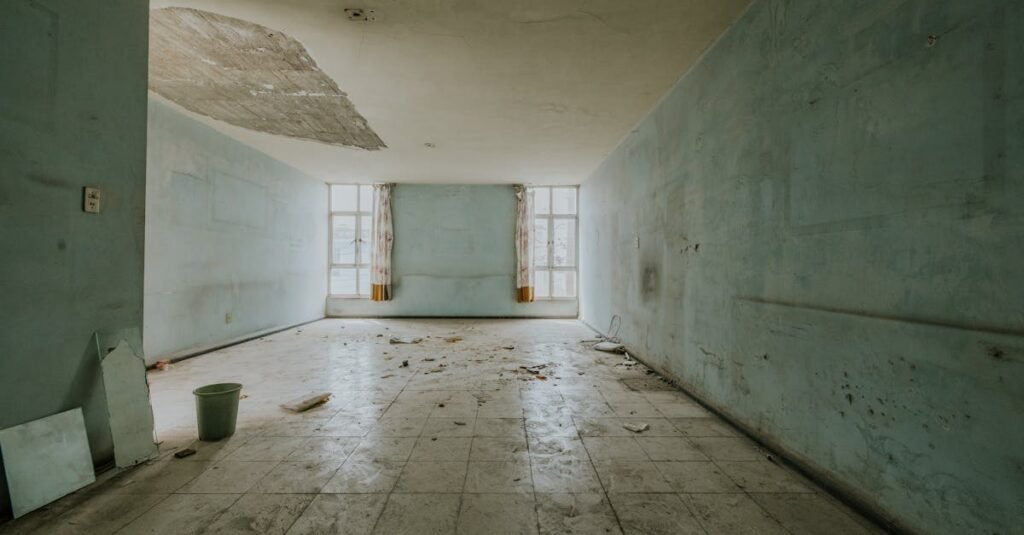
In December 2020, Awaab Ishak, aged two, died from a respiratory infection linked to prolonged exposure to mould in his family’s Rochdale home. His parents reported the problem 13 times before his death. It took a child’s death to force law reform.
Awaab’s Law came into force on 27 October 2025. If your home has mould or damp, you need to know what your landlord must legally do, what they cannot get away with, and what remedies you have if they ignore the law.
Mould and Damp in UK Rental Homes
46%
of private rented sector households report problems with condensation, damp, or mould
English Housing Survey, 2024-25
£1.4bn
spent by the NHS annually treating illnesses linked to damp and cold housing
GOV.UK Health Risks of Damp and Mould
What laws require landlords to fix mould and damp?
Your landlord has a statutory duty under Section 11 of the Landlord and Tenant Act 1985 to keep the structure and exterior of your home in repair. That includes the roof, external walls, windows, doors, ventilation systems, and installations. Mould and damp are your landlord’s responsibility when caused by defects in the property itself: a leaking roof, rising damp, burst pipes, blocked gutters, or inadequate ventilation.
The Homes (Fitness for Human Habitation) Act 2018 goes further. It requires all rented homes to be “fit for human habitation” — free from hazards so serious the property would not be reasonably suitable for occupation.
| Legal Framework | Applies To | Key Requirement | Enforcement |
|---|---|---|---|
| Awaab’s Law (Oct 2025) | Social housing only | Fix emergency damp/mould hazards | 24h emergency; 10 days investigation; 5 days remediation |
| Renters’ Rights Act (May 2026) | Private rented sector | Respond promptly; fix root cause | No fixed deadline yet; no cosmetic fixes |
| Decent Homes Standard (2024) | All rental sectors | Homes must be free of damp and mould | Ongoing; enforced by local authority |
| Section 11 LTA 1985 | All rental sectors | Maintain structure, exterior, ventilation | Ongoing; disrepair claim threshold applies |
| Fitness for Habitation Act 2018 | All rental sectors | Property must be fit for human habitation | Ongoing; tenant can take to court |
What does Awaab’s Law require from social landlords?
If you rent from a council or housing association, Awaab’s Law gives you the strongest legal protection. It sets fixed, non-negotiable deadlines for landlords to respond to reports of significant damp and mould.
Within 24 hours of your report, your landlord must acknowledge receipt and begin an investigation. Within 10 working days of the report, they must write to you with their findings. Within 5 working days of completing the investigation, they must make the property safe by fixing the root cause, or offer you alternative accommodation if the home cannot be made safe in time.
⚠️ EMERGENCY REPAIRS MEAN NOW, NOT LATER
Under Awaab’s Law, your landlord cannot claim to be “investigating” or “gathering quotes” if you still need emergency repair. If mould is posing a hazard to health, your landlord’s duty is to make you safe within the timeframes set by law. Delays, missed deadlines, or cosmetic cleaning do not satisfy Awaab’s Law.
What does the Renters’ Rights Act require from private landlords?
Awaab’s Law applies only to social housing. Private sector tenants are protected by the Renters’ Rights Act, which comes into force on 1 May 2026. Private landlords face obligations similar in spirit to Awaab’s Law but without the same rigid deadlines (the government has committed to consulting on extending those deadlines to the private sector).
Your landlord must respond to your complaint promptly. They must document their investigation and fix the underlying cause, not just the visible mould. Cosmetic cleaning does not satisfy the law. If your home has mould caused by condensation, your landlord must either improve ventilation or address the cause of excess moisture.
Critically: your landlord cannot evict you for reporting mould. From 1 May 2026, no-fault evictions (Section 21 notices) are abolished. Retaliatory eviction is illegal, and you have legal remedies if it happens.
What is the landlord’s responsibility vs. the tenant’s?
Not all mould is automatically your landlord’s responsibility. The law draws a line between defects in the property and tenant behaviour.
| Landlord must fix | Tenant may be responsible for |
|---|---|
| Mould from structural defects: leaking roof, rising damp, water ingress, burst pipes, blocked gutters | Condensation from not heating adequately (if you can afford heating) |
| Condensation mould from inadequate ventilation: missing extractor fans, blocked vents, poor insulation | Not ventilating when cooking or bathing |
| Any mould a surveyor links to a property defect | Drying laundry indoors without ventilation |
This distinction matters: if there is any doubt, your landlord must investigate. They cannot simply blame you without evidence.
Scenario: Black mould appears in your bedroom corner during winter, even though you heat the room and keep windows cracked open.
Likely landlord’s responsibility if: The corner is on an external wall with no insulation or a damaged damp-proof course. The window frames are damaged. The room lacks an extractor fan or proper ventilation for its size.
Likely your responsibility if: You regularly dry multiple loads of laundry indoors without opening windows. You have blocked the extractor fan deliberately. You have deliberately kept the room unheated.
What to do: Report it to your landlord with evidence (photos, dates, heating records). Your landlord must investigate and rule out structural causes. If they find no defect, that investigation must be documented.
What can tenants do if the landlord refuses to act?
If your landlord ignores mould or damp or offers only cosmetic fixes, you have several escalating options.
| Action | Cost | When to use it |
|---|---|---|
| Report to local authority housing team | Free | First step for any non-emergency issue; council can serve improvement notice |
| Lodge complaint with Housing Ombudsman (social tenants) | Free | After landlord refuses; ombudsman can order compensation of £1,500 to £10,000+ |
| Raise disrepair claim in court | Legal aid or solicitor fees | Last resort; court awards damages for breach of duty; landlord pays if you win |
| Request rent reduction | Self-help | Informal route; many landlords accept to avoid escalation |
Step 1: Report to your local authority. Contact your council’s housing enforcement team or environmental health department. The local authority can serve an Improvement Notice requiring your landlord to fix the problem. If they ignore the notice, they can be prosecuted. This route is free.
Step 2: Lodge a complaint with the Housing Ombudsman. If you are a social housing tenant and your landlord has failed to respond, complain to the Housing Ombudsman within 3 months. The ombudsman investigates for free and can order compensation, typically ranging from £1,500 to £10,000+ depending on severity and duration.
Step 3: Raise a disrepair claim in court. You have up to 6 years to bring a claim. You can claim general damages (£1,500 to £10,000+ for inconvenience and distress), special damages (for damaged belongings), and health damages (which can exceed £25,000 for serious, long-term health impacts). If you win, the landlord must pay your solicitor’s fees.
Compensation Awards
What Courts and Ombudsmen Typically Award
Damp and mould disrepair claims · 2024-2026
What are the health risks of living with mould?
Mould and damp are not just a housing complaint. They pose serious health risks, particularly for children, people with asthma, and those with weakened immune systems.
Children living in damp homes are up to 3 times more likely to have breathing problems. In 2019, prolonged exposure to damp and mould in English homes was estimated to be associated with approximately 5,000 cases of asthma and 8,500 lower respiratory infections. Health impacts include cough, wheeze, shortness of breath, worsening asthma, and in severe cases, life-threatening respiratory complications.
✅ KEEP HEALTH RECORDS
If you develop or worsen respiratory problems, asthma, allergies, or skin conditions while living in a damp or mouldy home, inform your GP and ask them to note it in your medical records. Mention the damp or mould explicitly. This documentation is valuable if you later claim compensation for health impacts.
How should you document a mould problem?
Take dated photographs and videos showing the extent of the mould or damp. Keep a written log of when the problem appears, where, and how it has affected you. Screenshot all communications with your landlord (emails, text messages, letting agent portals). Record the date and time of any phone conversations. Save any evidence of health impacts — doctor’s letters, prescription records, absence notes if relevant.
This evidence is critical if your case goes to the Housing Ombudsman or court. In 2024-25, the Housing Ombudsman made 7,082 determinations, with 30% involving complaints about repairs. Over 40% of total compensation ordered that year was for failures in handling damp and mould.
Frequently asked questions
Is my landlord responsible for all mould in my home?
No. Mould caused by your behaviour (blocked vents, drying laundry inside without ventilation, not heating the home adequately) may be your responsibility. However, mould caused by structural defects, poor ventilation design, leaks, or rising damp is your landlord’s responsibility. If there is any doubt, report it. Your landlord must investigate.
Can my landlord charge me to fix mould they caused?
No. If the mould is caused by a property defect (roof leak, rising damp, burst pipe), your landlord must pay for remedial works. If they charge you or attempt to deduct repair costs from your deposit, that is unlawful. You can challenge this in small claims court or raise it with the local authority.
What if my landlord says the problem is just condensation?
Condensation is still your landlord’s responsibility if it is caused by poor ventilation, inadequate heating, or other property defects. Tenants should not have to live with condensation so severe that mould grows. If your landlord refuses to improve ventilation, add extractor fans, or address the cause, escalate to the local authority.
Can my landlord retaliate after I report mould?
Retaliatory eviction is illegal. From 1 May 2026, your landlord cannot use a Section 21 notice to evict you for reporting housing complaints or disrepair. If you are evicted shortly after raising a mould complaint, you can argue the eviction is retaliatory and defend against it in court.
Are social housing tenants protected differently from private tenants?
Yes. Social housing tenants have Awaab’s Law with fixed deadlines: 24 hours for emergency acknowledgment, 10 days for investigation, and 5 days for remediation. Private tenants are protected by the Renters’ Rights Act, which requires prompt response and fixing of root causes, but without the same fixed deadlines yet.
Can I break my tenancy if there is dangerous mould?
In some cases, yes. If your home is uninhabitable or poses serious health risks, you may have grounds to break the tenancy without penalty. You must first formally request repairs and give your landlord reasonable time to comply. Consult a specialist housing solicitor or Citizens Advice before taking this step.
Document damp before it becomes a dispute
Record property condition with timestamped evidence using uSurv. Free to download.


Know exactly what you're buying
Walk any property with the free homeSurvey app and get an AI condition report for £24.99 — before you spend hundreds on a traditional survey.