
Homeowners
NHBC Buildmark Warranty: What It Actually Covers (And What It Does Not)
⚡ QUICK ANSWER
The NHBC Buildmark is a 10-year warranty for new-build homes, but it is not one continuous protection. Years 1–2, the builder is liable for defects. Years 3–10, you have insurance that covers only specific structural and water ingress defects — nothing more. Cosmetic issues, condensation (unless caused by failed membranes), poor workmanship within NHBC tolerances, and wear and tear are all excluded. Around 30% of warranty claims are rejected, most commonly because the defect falls outside the policy definition. Before buying a new build, understand that Buildmark is a safety net, not a guarantee of quality.
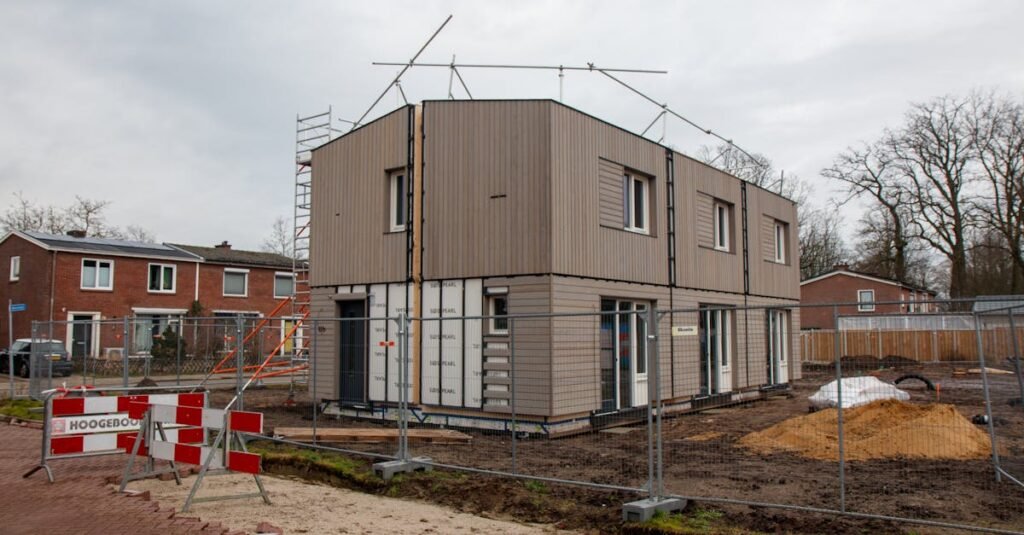
A new-build home with 10-year NHBC Buildmark protection feels like comprehensive cover. The moment the first defect appears, that illusion tends to shatter. Thousands of UK buyers each year discover that problems they assumed the warranty would fix are explicitly excluded. The gap between expectation and reality costs money, stress, and unresolved disputes.
NHBC Buildmark — The Reality
~30%
of Buildmark claims are rejected — most commonly because the defect is not covered by the policy
NHBC complaints data, 2024–2025
7 days
to report cosmetic defects after completion — after that, they become your responsibility
NHBC Buildmark policy terms
How is the NHBC Buildmark warranty structured?
Buildmark is not a single 10-year cover. It is two separate obligations stacked on top of each other, and understanding the boundary between them is critical.
| Period | Who Is Responsible? | What You Do | What They Do |
|---|---|---|---|
| Years 1–2 | The builder | Report defect to builder in writing | Builder must fix it (or NHBC forces them to) |
| Years 3–10 | NHBC insurance only | Submit a claim to NHBC with evidence | If approved, NHBC pays for repairs (up to defined limits); you hire the contractor |
Years 1–2 are relatively straightforward: the builder is incentivised to fix defects because NHBC will audit them and damage their status if they do not. The real problems start in year 3, when you move from the builder’s obligation to an insurance-based claim model. From year 3 onward, you must prove the defect meets the policy definition, and NHBC decides whether to pay.
What structural defects does Buildmark actually cover?
Buildmark insurance (years 3–10) covers physical damage caused by defects in specific structural and waterproofing elements. The policy is narrowly defined — if the defect is not on this list, it is not covered.
| Element | What Is Covered |
|---|---|
| Foundations | Settlement, subsidence, defects in DPC not built to NHBC standards |
| Structural walls | Cracking or movement caused by structural failure to meet NHBC requirements |
| Roofs and coverings | Water ingress caused by defects in structure or installation |
| Windows and external doors | Water ingress due to installation defects or design failures |
| Damp-proof membranes | Damp caused by failed membranes or failed damp-proof courses |
| Insulation | Heat loss caused by defective installation (gaps, compression, improper fixing) |
| Electrical and plumbing | Defects causing physical damage to the home (e.g. pipe burst causing water damage) |
| Fire safety systems | Failure of fire doors, smoke alarms, or other fire safety measures |
Buildmark pays for repairs to physical damage caused by structural or installation defects. It does not pay for the cost of identifying the problem (surveys, engineer reports), temporary accommodation beyond reasonable costs, loss of value, or loss of use.
What exclusions catch new build buyers out most often?
The policy lists what is covered. Everything else is excluded. These are the exclusions that most commonly surprise buyers.
⚠️ NOT COVERED BY BUILDMARK
Cosmetic defects: Plaster cracks up to 1mm, gaps up to 4mm around frames, colour changes, uneven tiling, patchy paint. All within NHBC tolerance. Must be reported to the builder within 7 days of completion or they become your problem.
Condensation: Excluded unless caused by a failed membrane or structural defect. Condensation from new windows, poor ventilation, or drying laundry indoors is your responsibility.
Damage from your actions: Drilling into a hidden pipe, neglecting gutters, failing to ventilate. Anything you caused or failed to prevent.
Fire, smoke, severe weather: Excluded because your buildings insurance should cover these.
Appliances and non-structural items: Boilers, kitchens, bathrooms, fitted furniture, flooring. Covered by the manufacturer’s warranty, not Buildmark.
Wear and tear: After year 2, any defect from gradual deterioration or failure to maintain is excluded. Buildmark is not a maintenance contract.
💡 THE 7-DAY WINDOW
You have 7 days from completion to inspect the property and report cosmetic defects to the builder. After day 7, cosmetic issues (including within-tolerance cracks and gaps) are not covered by Buildmark and become your liability. Photograph everything on day 1 and report defects in writing before day 7 expires.
What is the minimum claim value and how does it affect you?
Buildmark insurance cover is capped at £1 million for new-build properties and £500,000 for conversions. But there is also a Minimum Claims Value (MCV) — below this threshold, NHBC will not pay anything, regardless of whether the defect is covered.
| Period | Minimum Claims Value |
|---|---|
| April 2024 – March 2025 | £1,900 |
| April 2025 – March 2026 | £1,950 |
| April 2026 – March 2027 | £2,000 |
| April 2027 onwards | £2,050 (static from April 2025) |
A repair costing £1,800 for a covered defect in 2026 would fail to meet the £1,950 MCV and would not be paid by NHBC. You would cover the full cost yourself.
⚠️ INHERITED CLAIM LIMITS
If the first owner made a £500,000 claim (e.g. for subsidence), the second owner inherits a remaining limit of only £500,000, not the full £1 million. Many buyers purchasing a second-hand new-build do not discover this until they try to claim. Always ask for the Buildmark documentation and claim history before exchange of contracts.
Where does Buildmark fall short of buyer expectations?
The five biggest gaps between what buyers expect and what the warranty delivers.
1. “Warranty” does not mean free repairs in years 3–10. Many buyers assume NHBC will send a contractor. In years 1–2, the builder handles it. From year 3, the process changes: you submit a claim, NHBC assesses it, and if approved, they issue a payment. You then hire a contractor and manage the repair yourself.
2. You must prove the defect is a construction fault, not normal wear. Reporting a crack in year 6 means providing evidence it is due to a structural defect, not settlement or wear. This usually requires a structural engineer’s report (£500–£1,500). If the claim is rejected, you do not recover those costs.
3. Built to NHBC standards is not the same as “good quality”. NHBC technical standards define tolerances. Plaster cracks under 1mm, gaps in frames up to 4mm, and floor levelness variation up to 10mm are all within standard. If your property meets NHBC requirements but has visible quality issues, the warranty does not apply.
4. NHBC is the insurer, not an ombudsman. They assess claims against the policy. If you disagree, you escalate to the Financial Ombudsman Service, but that takes months and may need legal representation. You cannot appeal on the basis of fairness — only on policy interpretation.
5. The warranty terms are fixed at purchase. You cannot claim back from the builder for exclusions discovered later. If you find a defect in year 9 that is not covered, there is no remedy other than the Ombudsman route.
How does Buildmark compare to other UK warranty providers?
NHBC covers approximately 80% of UK new builds. Other providers include Premier Guarantee, LABC Warranty, and Build-Zone. The structure is broadly similar, but key differences exist.
| Provider | Market Share | Key Difference from NHBC |
|---|---|---|
| NHBC Buildmark | ~80% | No excess for accepted claims; most widely recognised |
| Premier Guarantee | ~10–15% | £1,000 excess per claim; insurance-backed from day 1 |
| LABC Warranty | Variable | £1,000 excess; inspections by local authority building control |
| Build-Zone | Smaller share | £1,000 excess; specialist in BTR and developer warranties |
What are the key claim deadlines you cannot miss?
| Period | Your Responsibility | Time Limit | Key Action |
|---|---|---|---|
| Completion to day 7 | Inspect for cosmetic defects | 7 days to report finishes | Photograph and report everything |
| Months 1–12 | Notify builder of defects | Within 12 months | Builder repairs at no cost |
| Year 2 | Last builder-backed repairs | Within 2 years of completion | Builder still responsible; NHBC can force it |
| Year 3 onward | Submit insurance claims to NHBC | Before the 10-year expiry | You claim directly from NHBC insurance |
| Year 10, day 1 | Warranty expires | No claims accepted after this date | All defects become entirely your responsibility |
How should you protect yourself before and after buying a new build?
✅ BEFORE EXCHANGE
Commission a RICS survey. Buildmark has significant gaps. A surveyor will identify defects you need to address before completion or negotiate on price. It is much cheaper to fix problems before you buy than to fight the builder or NHBC afterwards.
Read the Buildmark policy document in full. Do not rely on the summary. The exclusions are in the detail.
Ask for the claim history. If buying a second-hand new-build within the 10-year period, request the Buildmark documentation and any claims that have been made. This determines your remaining claim limit.
✅ AT COMPLETION AND BEYOND
Inspect and photograph everything within 7 days. Cosmetic defects reported after day 7 are not covered. Report all issues in writing to the builder before the deadline.
Keep all documentation. Completion statements, snagging records, correspondence, photographs, inspection reports. If you later claim, you will need proof of ownership and timeline.
Budget for maintenance from day one. Buildmark does not cover wear and tear. Set aside funds for gutters, boiler servicing, grout repair, and other predictable costs.
Frequently asked questions
Does NHBC Buildmark cover poor workmanship?
Only if it results in a structural defect or breach of NHBC technical requirements. Sloppy tiling, poor paintwork, or crooked shelving: no. Walls not built vertically causing structural risk: yes. The threshold is high. NHBC standards define tolerance, not perfection.
What happens if NHBC rejects my claim?
You can request a reconsideration. If NHBC still refuses, escalate to the Financial Ombudsman Service. You will need evidence (engineer’s reports, photographs) and may need legal advice. The process takes months and costs money upfront. If the claim is ultimately rejected, you do not recover those costs.
Do I need a survey if buying a new build with Buildmark?
Absolutely. Buildmark has significant gaps. A Level 2 or Level 3 RICS survey will identify defects you need to address before completion or negotiate on price. It is much cheaper to fix problems before you buy than to fight the builder or NHBC later.
Is condensation really not covered?
Condensation is not covered unless caused by a failure of the building envelope (e.g. failed damp-proof membrane). Condensation from new windows, poor ventilation, or user behaviour is your responsibility. If you suspect structural damp rather than condensation, you need a damp specialist’s report (£300–£1,500) to prove it — and NHBC does not pay for that assessment.
When does the warranty expire?
Exactly 10 years from the date of completion. Any claim must be submitted before the expiry date. On day 1 of year 11, all protection ends and defects become entirely your responsibility. Do not assume anything will be covered retroactively.
Do not rely on a warranty to spot defects for you
Scan any new build for visible defects, finishes, and snagging issues in seconds with homeSurvey. Free to download.


Know exactly what you're buying
Walk any property with the free homeSurvey app and get an AI condition report for £24.99 — before you spend hundreds on a traditional survey.