
Homeowners
Damp in the Home: Condensation vs Rising Damp vs Penetrating Damp
⚡ QUICK ANSWER
A damp problem in your home falls into one of three categories, and getting the diagnosis right determines whether you spend nothing or several thousand pounds. Condensation forms on cold windows and in corners — it is fixable with ventilation changes alone. Rising damp leaves a horizontal tide mark up to 1.5 metres high with white salt deposits. Penetrating damp can show up anywhere and traces back to a specific external defect like a leaky roof or cracked mortar. Misdiagnosis is shockingly common, and some ‘free damp surveys’ from treatment companies will diagnose the most expensive option regardless. An independent specialist report costs £300–£500 and is worth every penny before you commit to treatment.
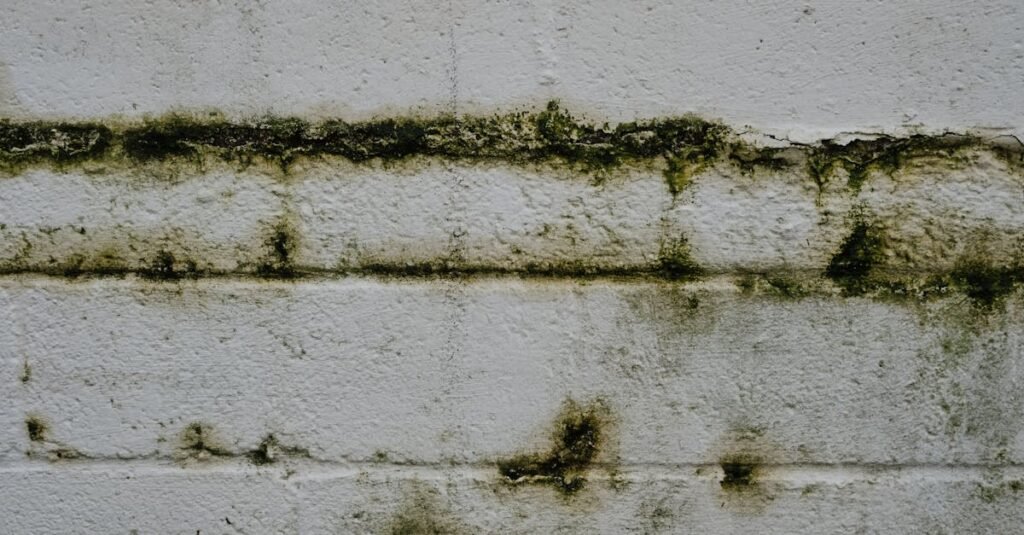
Damp is one of the top reasons building surveys flag problems that collapse property sales. Yet most homeowners — and some non-specialist contractors — misidentify what type of damp they actually have. That distinction matters because condensation treatment costs next to nothing, while incorrectly treating rising damp can waste thousands of pounds.
The three types of damp look similar on the surface but come from completely different sources. Working out which one you have is the first step to deciding whether you can fix it yourself, call a handyperson, or need a specialist report.
Damp in UK Homes — The Scale
2m
people in England live in homes affected by damp and mould (3–4% of residences)
UK Health Security Agency, 2024
£895m
annual NHS spend directly linked to damp and cold exposure in housing
UKHSA Burden of Disease Report
What causes each type of damp and how do they differ?
All three types leave damp patches, but the cause — and the cure — are completely different. Building science has made diagnosis fairly straightforward if you know what to look for.
| Type | What Causes It | Where It Appears | What It Looks Like |
|---|---|---|---|
| Condensation | Warm air meets a cold surface and loses moisture. Common in kitchens, bathrooms, bedrooms. | Windows, mirrors, cold corners, behind furniture | Wet patches, droplets, mist on glass. No tide mark. |
| Rising Damp | Groundwater travels up through porous brick by capillary action. Usually means a failed damp proof course (DPC). | Always at ground level, typically up to 1.5m high | Horizontal tide mark, white salt deposits, soft plaster, damp-stained skirting. |
| Penetrating Damp | Water from outside enters through a defect in the external wall or roof (leak, missing mortar, blocked gutter). | Any height. Often on upper walls or ceilings if roof is involved. | Stains growing worse with rain. Often asymmetric (one side of a wall). |
Is rising damp even real or is it over-diagnosed?
There is genuine disagreement in building science about how common rising damp really is. This matters because it directly affects what you get told and how much you end up spending.
Some building scientists argue that rising damp is vastly over-diagnosed by contractors who benefit financially from expensive treatments. They cite decades of research and maintain that most ‘rising damp’ cases are actually condensation or straightforward maintenance problems like blocked gutters and failed pointing.
Others point to peer-reviewed research (500+ papers in academic databases) and structural evidence showing that rising damp does exist and causes real damage in older buildings with failed damp proof courses.
The consensus among chartered surveyors and the RICS sits somewhere in the middle: rising damp exists but is often misidentified. The key is rigorous diagnosis before treatment.
⚠️ GET A SECOND OPINION
If rising damp is diagnosed — particularly by a company that also sells the treatment — get an independent RICS surveyor’s opinion. Second opinions cost £150–£300 and can save thousands in unnecessary work.
How can you test which type of damp you have at home?
Before you call anyone, there is a simple test you can run at home. It works about 80% of the time and gives you enough information to decide whether a specialist is worth the cost.
💡 THE KITCHEN FOIL TEST
Tape a piece of kitchen foil firmly to the damp wall, sealing all edges. Leave it for 24–48 hours, then check:
Room side wet (moisture on the outside of the foil) = likely condensation.
Wall side wet (moisture between foil and wall) = moisture is coming from within the wall, suggesting rising or penetrating damp.
This works because it traps moisture and shows you where it originates. Condensation forms on the surface. Structural damp pushes moisture through the wall itself. If the test is inconclusive or you are making a purchase decision, pay for a proper survey.
What are the telltale signs of each damp type?
Use these diagnostic clues alongside the foil test to narrow down what you are dealing with.
| Sign | Condensation | Rising Damp | Penetrating Damp |
|---|---|---|---|
| When does it appear? | Winter or after steam (shower, cooking) | Constant, year-round | Worse during or after rain |
| Where on the wall? | Cold surfaces: windows, external walls, corners | Always ground level, up to 1.5m | Any height, often upper walls/ceilings |
| Tide mark? | No | Yes — horizontal, consistent height | No |
| Salt deposits? | No | Yes — white crystalline efflorescence | No |
| Pattern | Even across cold surfaces | Band across the wall at ground level | Asymmetric, often one side of wall |
| Goes away with ventilation? | Yes | No | No |
| Linked to external defect? | No | Failed DPC | Yes — roof, gutter, mortar, flashing |
When should you call a damp specialist?
Not every damp patch needs professional help. But some situations demand it because DIY diagnosis can be costly if you guess wrong.
⚠️ CALL A SPECIALIST IF
You are buying a property and damp appears in the survey. A specialist report costs £300–£500 upfront but saves thousands if you negotiate the price down or walk away.
The foil test shows wall-side moisture and you cannot find an obvious cause (missing gutter, cracked mortar, etc.).
Damp appears in multiple rooms or across a large area. This points to a systemic problem, not condensation.
You see signs of timber decay — soft, crumbling wood around skirting boards or window frames. You may need a damp and timber report (£400–£600).
Damp persists on ceilings. This is almost always a roof or gutter issue that needs specialist diagnosis.
How much does damp treatment actually cost in 2026?
Once a specialist confirms which type of damp you have, treatment costs vary wildly. Here are realistic 2026 figures based on regional surveyor data and specialist quotes.
COST COMPARISON
Damp Treatment Costs by Type
Realistic 2026 figures — regional variation applies
⚠️ BEWARE OF FREE SURVEYS
Most ‘damp surveys’ offered free by treatment companies are sales pitches in disguise. They often diagnose the most expensive treatment to maximise their own revenue. Always get a second opinion from an independent surveyor (£200–£400) before committing to expensive work. An independent RICS member will give you an honest assessment.
How do you fix condensation without spending money?
Condensation is the only type of damp you can usually sort yourself at no cost. If your diagnosis confirms condensation, start here before spending anything.
| Problem | Solution | Cost |
|---|---|---|
| Mist on windows after showering | Run the extractor fan for 20 minutes after you finish. Open the bathroom window if there is no fan. | £0 |
| Condensation in bedrooms overnight | Crack a window open slightly or use a trickle vent. Even 2cm of opening helps. | £0–£50 |
| Damp in kitchen corners when cooking | Keep the kitchen door closed when cooking. Wipe down surfaces after steam. Use pan lids. | £0 |
| General humidity in poorly ventilated rooms | Buy a dehumidifier. Run it overnight. Empty the water each morning. | £50–£200 |
| Condensation returning constantly | Improve insulation: lag pipes, fit double glazing, insulate external walls. Reduces cold surfaces where condensation forms. | £500+ |
✅ THE HEATING TRICK
Homes cold enough to create condensation often have the heating turned down to save money. If you can afford it, heating all rooms to 15°C — even unused ones — and ventilating simultaneously beats fighting condensation month after month. The maths often favour the upfront cost of better insulation or ventilation over the long-term damage and health risks from persistent dampness.
What does a proper rising damp treatment involve?
Rising damp is structural. Once it starts, it will not stop on its own. But the treatment is expensive and the quality of work varies widely, so understanding the process helps you avoid being overcharged.
WORKED EXAMPLE
Rising Damp Treatment — Three-Bed Semi
£3k–£6k
Typical total
⚠️ RED FLAGS IN RISING DAMP QUOTES
Internal tanking only: Any quote claiming to fix rising damp by sealing the wall from the inside treats the symptom, not the cause, and fails within years.
No plaster removal: Damp has usually compromised the plaster bond. Any quote that skips removal and replacement is cutting corners.
No site visit or moisture readings: Proper diagnosis requires measurement, not guesswork.
20+ year guarantees: No treatment is permanent. Environmental conditions change. Realistic guarantees are 10 years.
How do you fix penetrating damp permanently?
Penetrating damp is straightforward in theory: find the hole, fix the hole. But the diagnosis is often tricky because water travels through the wall structure, emerging far from the actual entry point.
If damp appears on an internal ceiling or high on an interior wall, the source is usually the roof, not the wall below it. Water travels horizontally through the loft space before dropping down. Always check the roof space and gutters first. Treating the plaster alone is a waste of money.
💡 DIY EXTERNAL INSPECTION CHECKLIST
Before paying for a specialist, photograph the external walls and roof and check these areas:
Gutters and downpipes: Blocked, cracked, or overflowing?
Mortar joints: Cracked, missing, or eroded?
Roof tiles: Missing, cracked, or slipped?
Flashing (where roof meets wall or chimney): Damaged, rusted, or lifting?
External sealant: Around windows and doors — cracked or missing?
External walls: Cracks wider than 2mm?
If you find something obvious (blocked gutter, missing tile), fix it and monitor the room for two weeks. Many ‘specialist’ jobs are actually just maintenance problems that a handyperson can sort for a fraction of the price.
What mistakes do people make with damp that cost the most money?
These are the most common — and most avoidable — errors homeowners and contractors make when dealing with damp.
| Mistake | Why It Fails |
|---|---|
| Treating condensation with DPC injection | Unnecessary and expensive. The problem is surface moisture and air circulation, not structural. |
| Painting over damp with special paints | Temporary at best. Moisture still travels through the wall — it just does it behind the paint and usually into the room next door. |
| Injecting a DPC without proper diagnosis | If it is actually penetrating damp or condensation, you have spent £1,500+ fixing the wrong problem entirely. |
| Ignoring a damp patch on a ceiling | Almost always a roof or gutter issue. Treating the ceiling plaster does nothing about the actual cause. |
| Using a dehumidifier for rising damp | Dehumidifiers manage condensation. They cannot stop structural damp. You would run the machine forever. |
| Skipping the drying phase after treatment | Walls must be dry (6–12 weeks minimum) before replastering. Rushing means mould grows under the new plaster. |
What are the health risks from damp and mould?
Damp and mould are linked to respiratory problems, especially in vulnerable people. Addressing damp quickly protects your health as well as your property value.
Around 2 million people in English homes are affected by damp and mould. The NHS spends approximately £1.4 billion annually treating people affected by poor housing conditions, with around £895 million directly linked to damp and cold exposure.
⚠️ HEALTH RISKS OF DAMP AND MOULD
Most common effects: Breathing problems, coughing, wheezing, and sneezing. Moulds produce allergens and irritants that affect the respiratory system.
Vulnerable groups at higher risk: Babies, young children, pregnant people, older people, and those with asthma, COPD, or allergies.
Long-term exposure: Can contribute to chronic respiratory conditions and weaken the immune system. In rare cases, prolonged exposure to severe damp and mould can cause serious illness.
Frequently asked questions
How accurate is the kitchen foil test?
Roughly 80% accurate, and it costs nothing. It correctly identifies whether moisture is coming from the surface (condensation) or from inside the wall (structural damp). The 20% edge cases usually involve mixed problems — both condensation and rising damp, or condensation worsened by poor ventilation. If the result is unclear or you are making a purchase decision, pay for a proper survey.
How long does it take damp to cause structural damage?
Condensation causes cosmetic damage (mould, stains) within weeks but does not damage the structure. Rising damp can compromise plaster and timber within months to a few years. Penetrating damp depends on severity — a small leak might take years while a gutter failure could cause soft timber within months. Rising and penetrating damp are the ones requiring urgent attention.
Can I get a damp survey before I buy a house?
Yes. If a RICS survey flags damp, you can commission a specialist damp survey (£300–£500) before exchanging contracts. This is money well spent because it lets you renegotiate the price or withdraw before you are committed. Plenty of buyers skip this step and regret it when the full extent of the work needed becomes clear.
Is damp covered by building insurance?
Typically not. Damp is excluded from standard building insurance because it is considered a maintenance issue, not an insurable event. Some insurers offer optional damp cover, but it tends to be expensive with high excesses. The best protection is fixing it before you buy or having the seller fix it as a condition of purchase.
What should I ask a damp specialist before hiring them?
Ask them to tell you what type of damp it is, what caused it, and what the permanent cure is (not just a temporary fix). Ask how long the guarantee lasts, whether replastering is included, what the timeline looks like, and whether they will provide a written report with moisture meter readings. Anyone who cannot answer these clearly is not someone you should hire.
Can I get help if I am a tenant with damp?
Yes. As of October 2025, Awaab’s Law requires landlords and social housing providers to fix damp and mould within strict timelines. The Renters’ Rights Bill is extending similar protections to the private rented sector. Report damp to your landlord in writing and keep records. If nothing happens, contact your local council’s environmental health team.
Spot damp before it costs you thousands
Scan any property for visible damp, mould, and moisture damage in seconds with homeSurvey. Free to download.


Know exactly what you're buying
Walk any property with the free homeSurvey app and get an AI condition report for £24.99 — before you spend hundreds on a traditional survey.