
Landlords
HMO Licensing 2026: The True Compliance Cost for Landlords
⚡ QUICK ANSWER
An HMO (House in Multiple Occupation) is a property occupied by five or more people forming two or more separate households. If your property meets this definition, you must have an HMO licence. Operating unlicensed now carries penalties up to £40,000, plus potential 12-24 months of rent repayment orders under the Renters’ Rights Act 2025. Total compliance cost (licensing, inspections, EPC upgrades, fire safety): typically £2,500 to £5,000 upfront, then £800-£1,500 per year in recurring fees.
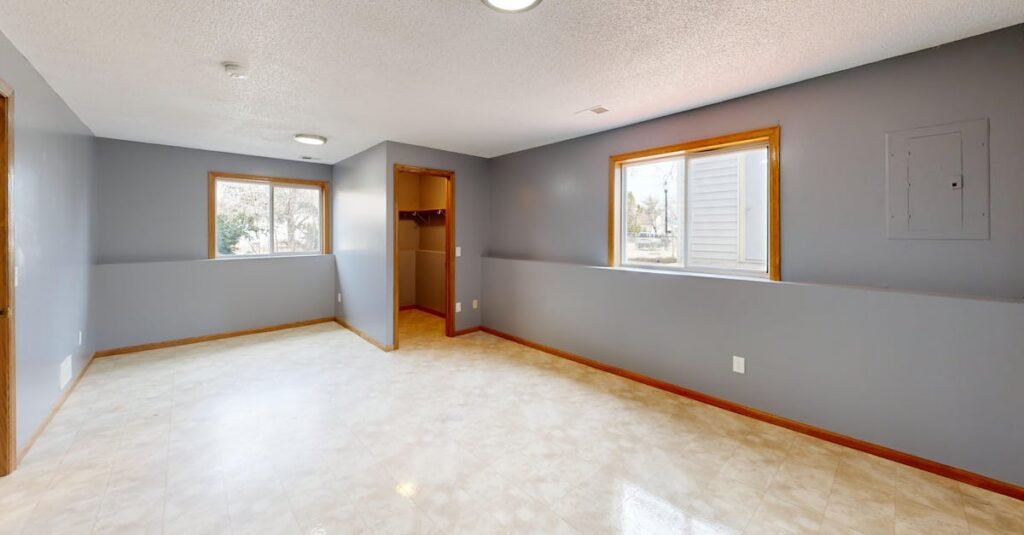
A London landlord was hit with a £25,000 civil penalty plus ordered to repay £18,000 in rent. A Manchester landlord received a five-year banning order. None of these cases made the news. None were exceptional. This is what happens when landlords misunderstand HMO licensing, assume the rules do not apply to them, or try to cut corners on compliance.
HMO Enforcement — From 1 May 2026
£40,000
maximum civil penalty for HMO licensing breach under the Renters’ Rights Act
Renters’ Rights Act 2025
24 months
of rent repayment that tenants can now claim back from unlicensed HMO landlords
Previously 12 months, doubled 2026
What actually counts as an HMO?
The law is clear but landlords routinely misinterpret it. An HMO is a property occupied by five or more people forming two or more separate households. Note the word “households”, not “tenants”.
| Scenario | People | Households | HMO? |
|---|---|---|---|
| Five unrelated professionals | 5 | 5 | YES – mandatory licence |
| Married couple + three lodgers | 5 | 2 | NO – only one household |
| Three couples in a 3-bed house | 6 | 3 | NO – below 5 person threshold |
| Two families (each renting separately) | 7 | 2 | YES – mandatory licence |
| Five unrelated students | 5 | 5 | YES – mandatory licence |
⚠️ CHECK YOUR COUNCIL NOW
Over 70 councils also require a licence for 3-4 person HMOs under “additional licensing” schemes. London boroughs have been most aggressive: 28 out of 32 boroughs now license properties below the mandatory threshold. Contact your council to confirm whether your property qualifies. This step takes 30 minutes and costs nothing. Skipping it costs thousands.
What do councils demand for an HMO licence?
Every licensing application requires proof that the property meets specific standards. The application process takes 6-8 weeks. You cannot legally let to tenants during this period. Fire safety breaches are the single biggest enforcement trigger councils cite.
Gas safety: Current Gas Safe certificate, renewed every 12 months. Lapsed by a single day is a breach.
Electrical safety: EICR every five years. Testing costs £150-£300.
Fire safety: Interlinked smoke alarms on every storey. Heat alarm in kitchen. Carbon monoxide alarm where needed. Fire doors with self-closing hinges. Clear escape routes.
Room sizes: Minimum 6.51 sqm for single occupancy, 10.22 sqm for doubles.
Fit and proper person test: Background checks on you and your letting agent.
EPC rating: Properties must achieve EPC C or better. Upgrading from D to C costs £1,500-£3,000.
What does HMO compliance actually cost?
Councils charge between £500 and £1,800 for a five-year HMO licence. That number is misleading because the licence fee is only the start.
| Cost item | Low estimate | High estimate | Recurring? |
|---|---|---|---|
| HMO licence (5-year) | £500 | £1,800 | Every 5 years |
| Gas safety inspection | £80 | £120 | Annual |
| Electrical inspection (EICR) | £150 | £300 | Every 5 years |
| Fire risk assessment | £200 | £500 | Annual or bi-annual |
| EPC upgrade (if needed D to C) | £1,500 | £3,000 | One-time |
| Legionella risk assessment | £200 | £500 | Annual |
| Insurance (HMO premium) | £400 | £1,200 | Annual |
Total Compliance Costs
Year One vs Ongoing Annual Costs
All-in HMO compliance · 2026 estimates
When does HMO licensing actually make financial sense?
HMOs generate higher gross rental yields than single lets. Current data shows gross HMO yields of 7-9% compared to 5-6% for single lets. But after accounting for higher operational costs, the advantage shrinks to 1-2 percentage points of net yield.
AS SINGLE LET (family tenant, £950/month):
Gross rent: £11,400/year · Gross yield: 6.3%
Less maintenance, insurance, voids (~15%): -£1,710
Net yield: 5.4%
AS HMO (5 professionals, £500 each/month):
Gross rent: £30,000/year · Gross yield: 16.7%
Less licensing (£600), insurance HMO (£700), utilities (£1,500), maintenance (£2,000), void/turnover (£1,500): -£6,300
Net yield: 13.2%
Difference: +7.8 percentage points — but only if you can manage the complexity and maintain compliance.
What are councils targeting for enforcement in 2026?
Operating without a licence at all. By far the most common violation. Under the Renters’ Rights Act 2025, councils have a statutory duty to actively enforce housing legislation — not just respond to complaints.
Fire safety non-compliance. Smoke alarms not interlinked, fire doors without closers, escape routes blocked. A single fire safety failure can trigger licence revocation and prosecution.
Overcrowding beyond licence capacity. You are licensed for a specific number of occupants. Exceeding this is a separate offence carrying unlimited fines.
Expired or missing safety certificates. Gas safety lapsed by one day. Electrical inspection not renewed. Each triggers a rent repayment order claim.
What happens when councils use Article 4 to ban HMO conversion?
A growing number of councils are using Article 4 directions to remove permitted development rights for HMO conversion. You cannot convert a standard residential property to an HMO without a full planning application.
| Council | Status | Effective date |
|---|---|---|
| Ealing | In force | 30 Oct 2024 + 14 Nov 2025 |
| Spelthorne | All wards covered | 18 Feb 2025 + 17 Dec 2025 |
| Wigan | In force | 31 August 2025 |
| Halton | In force | 24 September 2025 |
| Chorley | In force | 24 September 2025 |
| Tameside | In force | 2 October 2025 |
| 28 of 32 London boroughs | Various schemes | Ongoing |
⚠️ CHECK PLANNING STATUS BEFORE PURCHASE
If your property is in an Article 4 area, you must apply for planning permission to convert to an HMO. Planning applications take 8-13 weeks and cost £150-£500 in fees. They can also be refused. A planning refusal kills the HMO investment case entirely.
What does getting caught actually cost?
Rent collected (5 tenants x £500/month x 12): £30,000
Council enforcement notice issued (tenant complaint triggers inspection)
Civil penalty (up to £40,000): £25,000 typical
Rent repayment order (12-24 months): £30,000
Solicitor fees for defence: £3,000-£5,000
Property off market during enforcement: £2,500-£5,000 lost rent
Total actual cost: £65,500-£70,000
Risk of banning order: prevents you from letting any property for up to 5 years. Portfolio impact: potentially unlimited.
What should you verify before buying an HMO?
| Step | Action | Why |
|---|---|---|
| 1 | Confirm property qualifies as HMO. Check additional licensing. | Know what you are buying. |
| 2 | Contact council: ask for requirements, fees, timelines. | Get written guidance. |
| 3 | Check for Article 4 direction. | Planning refusal kills the case. |
| 4 | Get confirmation on fit and proper person test. | Avoid rejection after purchase. |
| 5 | Commission building survey for fire safety, EPC, electrics/gas. | Identify non-compliance before you commit. |
| 6 | If EPC D or below, obtain upgrade quote. | Mandatory by 2030. Budget now. |
| 7 | Request current Gas Safe cert, EICR, fire risk assessment. | Understand current status. |
| 8 | Get licence fee quote from council. | Know total compliance cost. |
| 9 | Stress-test yield: 15% void, 12% agent, £1,500/yr licensing. | See if net yield justifies the risk. |
| 10 | Walk away if compliance cost exceeds 10% of property price. | Better to pass than discover problems late. |
Frequently asked questions
Do I need a licence for a 4-person HMO?
Only if your council has an additional licensing scheme. London boroughs, Manchester, Leeds, Bristol, Brighton, and Nottingham all have schemes covering 3-4 person HMOs. One phone call to your council clarifies this.
Can I rely on my letting agent to handle compliance?
No. The licence is issued to you, the landlord. You are responsible for compliance. A letting agent can help manage the property, but if breaches occur, the council pursues you, not the agent. Maintain your own records.
How long does the licensing process take?
6-8 weeks from application to licence issue. You cannot legally let tenants during this period. If you are buying a property to immediately let, factor in 8 weeks of lost rent or overlap where the property sits vacant.
What if the council rejects my licence application?
You have the right to appeal to the First-tier Tribunal. Appeals cost £200-£500 in fees plus solicitor costs (£1,500-£3,000). It is cheaper to resolve issues before application: get fit and proper test confirmation, fix fire safety defects, and ensure all certificates are current.
Does the property have to be in pristine condition to pass licensing?
No. It has to be safe and comply with specific standards (fire safety, room sizes, gas/electrical, EPC C). A property can be dated but compliant. However, councils inspect, and if they see neglect or hazards they will require remedial works before licence issue.
Don’t wait until after the offer to spot problems
Scan any property for visible defects in seconds with homeSurvey. Free to download.


Know exactly what you're buying
Walk any property with the free homeSurvey app and get an AI condition report for £24.99 — before you spend hundreds on a traditional survey.