
Landlords
Buy, Refurbish, Refinance: What the Strategy Actually Costs in 2026
⚡ QUICK ANSWER
The BRRR strategy (Buy, Refurbish, Refinance, Rent) is a property investment method where you purchase below market value, renovate, then refinance to extract your capital. On a typical £120,000 regional UK property with cosmetic-to-moderate refurbishment, expect to invest £18,000 to £45,000 total across purchase, refurb, bridging, and fees. Bridging alone costs roughly 6–7% of the property price. The catch: you can only pull cash out at refinance if the post-refurb valuation and rental yield both stack up. Most first-time BRRR attempts fail at refinance, not during the building work.
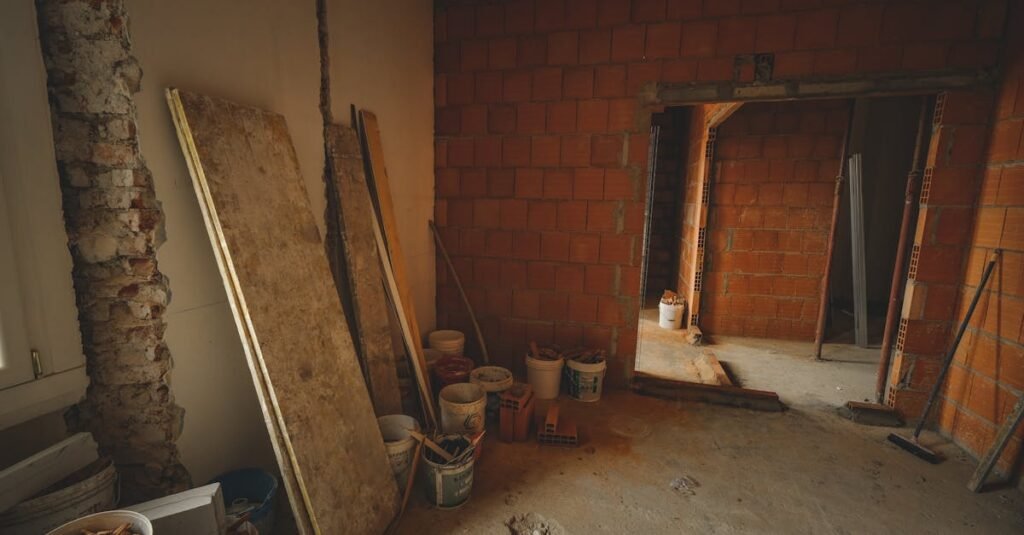
BRRR is heavily promoted on property investment YouTube. Buy below value, refurbish, rent it, refinance, recycle your capital. On a spreadsheet it looks elegant. In the real market, most investors who try it lose money or extract nothing because they underestimate costs, overestimate value uplift, or find the property unmortgageable after refinance.
This guide breaks down what BRRR actually costs in 2026 using current UK material and labour prices, bridging finance rates, and real refinancing constraints from lenders. It focuses on the point of genuine friction: the refinance stage, where deals either work or die.
BRRR Strategy — The Numbers That Matter
6–7%
of property price consumed by bridging finance alone over 6 months
2026 bridging rates, 0.65–0.95% monthly
70%
maximum purchase price as a proportion of post-refurb value — the hard rule for extraction
Standard BRRR acquisition threshold
What does a BRRR deal actually cost end to end?
Let’s work with a realistic property: £120,000 below-market acquisition in regional UK (excluding London), cosmetic-to-moderate refurbishment, six-month bridging project, refinanced via a BTL mortgage.
| Cost element | Low estimate | High estimate | Notes |
|---|---|---|---|
| Purchase price (below-market) | £120,000 | £120,000 | Acquired 15–20% below asking |
| Conveyancing & solicitor | £800 | £1,200 | Includes disbursements |
| Surveys (Level 2 + specialist) | £300 | £600 | Building survey + damp/asbestos if needed |
| Bridging arrangement fee | £1,000 | £2,000 | Lender fees only |
| Refurbishment works | £12,000 | £28,000 | Cosmetic to moderate scope |
| Bridging interest (6 months) | £540 | £1,080 | At 0.75% monthly |
| Bridging exit fee | £800 | £1,200 | Lender redemption/exit |
| BTL mortgage arrangement fee | £0 | £1,500 | Some lenders charge, some waive |
| Insurance during works | £200 | £400 | Builder’s all-risk cover |
| Contingency (10% of refurb) | £1,200 | £2,800 | Overruns and contingencies |
| TOTAL INVESTED | £18,940 | £45,180 | End-to-end project cost |
What does your refurbishment budget actually buy?
The £12,000 to £28,000 range covers a wide spectrum. At the lower end, you are painting, new carpets, basic kitchen and bathroom cosmetics. At the higher end, you are touching plumbing, electrics, heating, windows. Regional variation is enormous: material costs in London run 20–30% higher than the North. Labour costs are worse — a South East electrician charges £400–500 per day, while the same work in the North costs £280–350.
| Work type | Scope | Typical cost (regional avg) |
|---|---|---|
| Decoration & flooring | Interior paint, carpet, vinyl | £1,500 – £3,000 |
| Kitchen | Replace units, worktops, appliances (no structure) | £2,000 – £5,500 |
| Bathroom | Replace suite, re-grout, new flooring | £1,500 – £4,000 |
| Boiler/heating | Replace boiler only | £2,500 – £4,500 |
| Electrical rewire | Partial rewire (not full house) | £2,000 – £4,000 |
| Damp treatment | Chemical injection, partial area | £400 – £2,000 |
| Roof repair | Minor patchwork, gutters, downpipes | £500 – £2,000 |
| Windows | 1–2 replacements (standard size) | £500 – £1,500 |
| External works | Pointing, fascias, external doors | £1,000 – £3,000 |
| Clearance/waste removal | Clearance and skip hire | £300 – £800 |
⚠️ LABOUR COSTS ARE OUTPACING MATERIALS
Building materials are rising 2.5–3.5% across 2026, but skilled labour is rising faster. Plumbing and electrical shortages, combined with National Living Wage increases, mean labour now drives most cost growth. Budget 45–60% for labour in your total refurb cost. A £10,000 refurbishment is increasingly unrealistic for anything beyond cosmetic work.
How much does bridging finance really cost?
Bridging loans run 6–12 months (extendable to 18 at additional cost). They let you buy before selling or close a purchase quickly without waiting for a mortgage offer. That speed costs significantly more than a traditional mortgage.
Bridging Finance
The True Cost of Speed
Bridging rates on a £120,000 property · 6-month term · 2026
💡 WORKED EXAMPLE: REAL BRIDGING COST
Property purchase: £120,000
Bridging arrangement fee (1.5%): £1,800
Monthly interest rate: 0.75%
Total interest over 6 months: £5,531
Exit fee (refinance): £1,000
Total bridging cost: £8,331
That is 6.9% of the property price just to borrow for 6 months. Every extra month costs roughly £900 in interest alone.
Why do most BRRR deals fail at the refinance stage?
The refinance stage is the real test. You can buy well and refurbish brilliantly, but if the property does not refinance, your capital is trapped in a deal that may not cashflow. There are two gates you have to pass.
Gate 1: The Valuation
After refurbishment, a BTL lender values the property and lends 75% LTV (some go to 80%, but 75% is standard). If post-refurb valuation is £165,000, you can borrow £123,750. You invested £138,000 (£120k purchase + £18k refurb). You extract zero. Worse, you still owe £14,250 from your own capital.
This is the 70% rule: buy at no more than 70% of post-refurb valuation. If a property will be worth £165,000 after refurb, buy it for £115,500 max.
Gate 2: Rental Yield and Interest Cover
Once refinanced, the property must support the mortgage through rental income. Lenders stress-test at 5.5% and require 125% interest cover (145% for higher-rate taxpayers).
Refinanced mortgage (75% LTV): £123,750
Monthly payment at 5.5% stressed rate: £712
Interest cover (125%): £712 × 1.25 = £890/month minimum rent needed
Actual rental value in typical regional area: £700–£800/month
Shortfall: £90–£190/month. Lender rejects the mortgage. Deal is dead.
⚠️ CHECK RENTAL VALUE BEFORE REFURBISHING
Most BRRR deals fail here, not at purchase or refurbishment. Use Rightmove rental searches, Zoopla, SpareRoom, and OpenRent to check what comparable properties actually let for. If the property will not cashflow at the stressed interest rate with 125% interest cover, do not do the deal.
What are the five mistakes that kill first-time BRRR deals?
Mistake 1: Paying more than 70% of post-refurb value. The 70% rule builds a buffer for cost overruns and refinancing inefficiencies. Pay 75–80% and your margin evaporates. One 5% valuation miss and you extract nothing.
Mistake 2: Overestimating value uplift. You cannot force a property to be worth £165,000 if the market says £155,000. A £10,000 shortfall cuts your refinance from £123,750 to £116,250. Suddenly you are £21,750 short of repaying the bridging loan.
Mistake 3: Not checking rental yield first. Verify the property will let at sufficient rent before you buy. If the property will not support 125% interest cover at the stressed rate, stop.
Mistake 4: Underestimating labour costs. Tradespeople do not negotiate rates. A £2,500 bathroom job costs £3,500–4,500 because labour is 50–60% of the bill. Budget 10–15% contingency and protect it.
Mistake 5: Holding bridging too long. Every extra month costs 0.75% of the loan balance. A project slipping from 6 to 8 months costs an extra £1,800 on £120,000. Tight project management is not optional — it is a core cost control.
Who does BRRR actually work for in 2026?
BRRR is not a strategy for first-time property investors. It works for investors with deep contractor networks (repeated business cuts labour costs significantly), experienced project managers who keep projects on time and within budget, investors with capital reserves for overruns, and regional UK investors in the North, Midlands, and East where margins are wider and yields are higher.
⚠️ DO NOT TRY TO BRRR IN LONDON
London has compressed yield spreads and high labour costs. Material costs run 20–30% higher; labour is worse. A £120,000 purchase is not realistic in London. At £350,000+, the absolute costs are higher, mistakes are more expensive, and rental yield is tighter. London is better suited to long-hold buy-to-let, not BRRR.
What gates should you pass before committing capital?
| Stage | Gate | Success criteria |
|---|---|---|
| Purchase | 70% rule | Buy at ≤ 70% of post-refurb valuation |
| Purchase | Below-market discount | Acquire at 10–15% below asking price |
| Refurb plan | Cost estimate | Total invested ≤ 85% of post-refurb value |
| Refurb execution | Timeline | Stay within 6-month bridging window |
| Rental check | Interest cover | Rent ≥ 125% of stressed mortgage payment |
| Refinance | LTV extraction | New mortgage at 75% LTV ≥ 85% of total invested |
| Overall | Return target | Extract 50–70% of original capital for next deal |
How do stamp duty and tax affect BRRR returns?
Investment property purchases carry a 5% SDLT surcharge on top of standard rates (increased from 3% in October 2024). On a £120,000 purchase, that is roughly £6,000. It is a hard cost, unavoidable, and often overlooked in BRRR calculations. You pay SDLT when you buy, not when you refinance.
Once refinanced and letting, the property is subject to Section 24, which restricts mortgage interest relief to the basic rate of 20% for individual landlords. Higher-rate taxpayers pay 40% income tax on rent but only claim 20% relief on mortgage interest. That gap is real cash out of your pocket each month. When you eventually sell, capital gains tax applies on the appreciation — 18% or 24% depending on your tax bracket.
Frequently asked questions
Is the 70% rule really a rule?
It is a hard rule if you want the maths to work. Paying 75–80% of post-refurb value gives you zero margin. One cost overrun or one valuation miss and you are trapped. Experienced investors stick to 70% or lower.
Should I use a refurbishment mortgage instead of bridging?
If your lender offers one, yes. Refurbishment mortgages let you borrow purchase price plus a portion of refurb costs upfront, at 4–5% vs 9–12% for bridging. They are slower (6–8 weeks vs 2–4) and need a detailed refurb plan, but the savings are significant. Good for first-timers; not suitable for competitive off-market buys where speed matters.
What if the valuation comes in lower than expected?
You are in trouble. A £10,000 shortfall cuts your refinance by £7,500 at 75% LTV. Always order a professional post-refurb valuation before committing to refinancing, and build a £5,000–10,000 valuation buffer into your acquisition price.
Is BRRR viable for higher-rate taxpayers?
It is harder. Lenders demand 145% interest cover instead of 125% due to Section 24. Many higher-rate landlords have moved to limited company ownership to escape Section 24, but that requires a costly property transfer. Run the numbers carefully or consult a tax accountant.
How long can I hold a bridging loan?
Most bridging runs 6–12 months. Extending beyond 12 months costs additional fees (typically 1–2% of the balance) and the interest cost balloons. If you cannot refinance within 6 months, the deal probably will not work profitably.
Know the true refurb cost before you commit capital
Scan any property for visible defects and condition issues with homeSurvey. Free to download.


Know exactly what you're buying
Walk any property with the free homeSurvey app and get an AI condition report for £24.99 — before you spend hundreds on a traditional survey.