
First-Time Buyers
What Does a 20-Minute Viewing Actually Tell You? (And What It Misses)
⚡ QUICK ANSWER
A property viewing is a 20-minute walkthrough of a home — and it tells you far less than most buyers assume. You will see layout, natural light, and obvious cosmetic condition. You will not spot the problems that cost thousands: failing double glazing, hidden drainage issues, subsidence cracks behind fresh paint, or structural defects. Fewer than 10% of UK buyers commission a professional survey before purchase (RICS, 2024) — and many discover expensive defects only after completion.
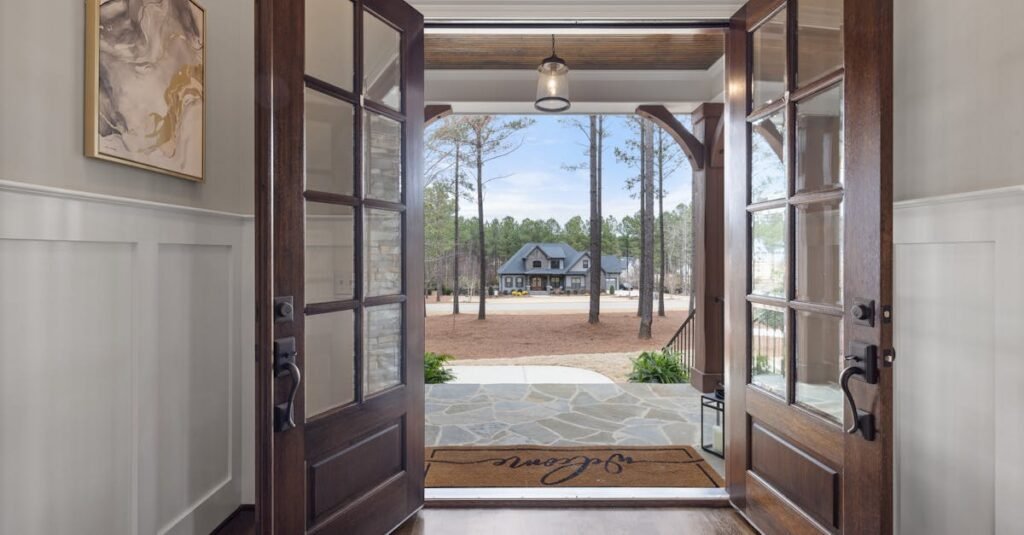
You walk into a property for the first time on a Tuesday afternoon. The sun is catching the living room. The kitchen has been painted cream. The boiler cupboard is neat. You spend 20 minutes checking the bedrooms, opening cupboards, looking out the windows. You leave thinking you have seen the house.
You have not. What you have seen is the surface. What a surveyor finds in the same property, hours later, is something else.
What can you actually learn in a 20-minute viewing?
You are not stupid for thinking a viewing is comprehensive. A clean, tidy property feels solid. But a viewing is theatre. Sellers know this. Fresh paint, decluttered cupboards, controlled lighting. Defects hide well.
It is not your fault. People are bad at spotting defects when they want a place to work out. You have saved for a deposit. You like the neighbourhood. The property feels like home. Your brain filters information to match what you want to be true.
The Survey Gap — UK Buyers
<10%
of UK buyers commission a RICS Level 2 survey or above before purchase
RICS, 2024
70%
rely entirely on the lender’s mortgage valuation, which does not assess condition
RICS, 2024
What defects do buyers miss during a house viewing?
These are the problems that cost buyers the most money, most often discovered after completion. Every one of them can hide behind fresh paint, a tidy room, or a seller who knows not to mention it.
Hidden Defects
What They Actually Cost to Fix
Common defects missed during viewings · UK averages 2026
Damp (£500 – £2,500)
Damp is the defect surveyors find most often — and it only shows itself after you have lived through a winter. Sellers cope by painting over it, improving ventilation before a viewing, or simply hoping. According to a 2025 surveyor survey, 22% of surveyors identified damp as the top hidden defect in homes where buyers forgo assessments.
What a surveyor looks for: water stains at skirting level (rising damp), soft plaster low down walls, a musty smell that fades if the property is aired. A 20-minute viewing with windows open will mask all of this. So will fresh paint.
Blocked or damaged drains (£500 – £2,000)
You cannot see the drains. They are underground. Buyers discover they are broken only after water backs up or a smell appears. A surveyor will run water through the system during a formal survey. You will not during a viewing. Buyers with older properties or those in areas with clay soil are at higher risk.
Subsidence (£3,000 – £10,000+)
Subsidence is the word that terrifies buyers after completion. Foundations shift. Walls crack. Insurance becomes impossible. Early signs — diagonal cracks in plaster, doors that no longer close properly, cracks that follow mortar lines — can all be hidden with filler or paint. Subsidence insurance claims in the first half of 2025 totalled £153 million, with an average claim value of £17,264. The problem can reduce property value by 20% and make mortgaging almost impossible.
Failed double glazing (£250 – £750 per window)
A window looks fine during a viewing. You open it. It works. But failed double-glazing seals means the gas between the panes has leaked. The window will frost up in winter. It cannot be repaired, only replaced. Wooden window frames can be hiding dry rot. A surveyor will check seals, look for condensation between panes, and test timber with a moisture meter. You will not.
Structural problems and missing building regs (£2,000 – £5,000+)
Extensions built without planning permission or building control approval are common in older UK properties. They do not show during a viewing. They become problems when you try to sell or when they fail. In surveys of buyers who skipped formal assessments, roughly 16% discovered significant defects after purchase.
⚠️ THE COST OF COLLAPSE
30% of property sales that collapse do so because of defects found in a late-stage survey. Buyers lose £1,000+ in non-recoverable fees — survey, solicitor, and mortgage costs — when a transaction falls through. The earlier you identify problems, the less you risk losing.
What does a surveyor find that you won’t?
A proper survey takes 2 to 4 hours. A surveyor uses moisture meters, binoculars, ladder access to the roof, and pressure testing on drains. They inspect the same property you viewed for 20 minutes and find dozens of details you could not.
| 20-minute viewing | RICS Level 2 survey | |
|---|---|---|
| Duration | 20 – 30 minutes | 2 – 3 hours |
| Checks for damp? | Visual only | Moisture meter testing |
| Tests drains? | No | Water run test if possible |
| Checks roof? | From ground only | Full visual with binoculars |
| Structural assessment? | You might spot cracks | Engineer-level analysis |
| Cost | Free | £450 – £850 |
| Can you renegotiate? | Before survey anyway | Yes, if problems found |
A surveyor gives you leverage. They find defects you can price into your offer — or walk away from. Over 70% of UK buyers rely entirely on the lender’s mortgage valuation, which is a brief 15-to-30 minute check that the property is worth the loan amount. It is not a condition assessment.
Why do sellers know more about the property than you?
Sellers know things you do not. They have lived in the property for years. They know which windows rattle, where the damp appears in winter, whether the boiler is reliable. You spend 20 minutes and must make a decision.
Sellers have to fill in a property information form disclosing known defects. But they have every incentive to leave things out. Late-stage defects lead to price drops and sale collapses, which costs sellers thousands too.
What should you check during a property viewing?
You will not match a surveyor in 20 minutes. But you can get a feel for whether the place needs closer inspection — or whether to walk away.
| Check | What to look for | Red flag |
|---|---|---|
| Damp | Dark patches at skirting level, musty smell | Obvious patches or smell persists after windows open |
| Windows | Do they open, close, and lock smoothly? | Condensation between panes, frames warped |
| Cracks | Hairline cracks are common; wider ones less so | Diagonal cracks, cracks following mortar lines |
| Doors | Do they close and open properly? | Badly warped, sticky, or won’t close |
| Boiler | Age visible or mentioned by agent? | Over 15 years old, or agent avoids the subject |
| Roof | Can you see it from property? Missing tiles? | Visible gaps, sagging, missing guttering |
| Water damage | Stains on ceilings or upper walls? | Any visible water marks or soft plaster |
| Electrics | Does the consumer unit look new or very old? | Cloth-insulated wiring, obvious fire risk items |
⚠️ DO NOT MAKE THIS THE SURVEY
This checklist flags problems you should investigate further. It is not a replacement for a professional Level 2 or Level 3 survey. If you tick multiple red flags, budget for survey costs and repairs before committing to an offer.
Is a 20-minute viewing enough to make a buying decision?
A viewing is the moment you fall in love with a house. That is its purpose. But love is not due diligence. A surveyor’s job is to answer the question: “What is wrong with this property and what will it cost to fix?” You cannot answer that question in 20 minutes. Only someone trained to look for defects, with tools to measure condition and hours to inspect systematically, can do that.
✅ THE BOTTOM LINE
Commission a survey before your emotions and financial commitment run too deep. Whether you choose a RICS Level 2 (£450 – £850) or a limited £300 defect check, that is cheap compared to finding a £3,000 damp issue after you own the property.
Frequently asked questions
Is a mortgage valuation the same as a survey?
No. A mortgage valuation is a brief check (15 to 30 minutes) confirming the property is worth the loan amount. The lender does this to protect their money, not yours. A valuation does not assess condition or identify defects. Over 70% of UK buyers mistakenly assume the valuation covers condition. It does not.
What happens if I buy without a survey and find problems?
You own them. Properties in the UK are sold as seen under caveat emptor (buyer beware). Once you complete, you have no legal recourse unless the seller lied on the property information form. Check before you commit, not after.
How much will defects found at survey cost to fix?
Damp: £500 – £2,500. Drainage: £500 – £2,000. Subsidence: £3,000 – £10,000+. Boiler replacement: £2,500 – £4,500. Window replacement: £250 – £750 per window. Rewiring: £3,500 – £5,500. Once defects are identified, you can negotiate the price down or walk away.
Can I renegotiate the price after a survey finds problems?
Yes, but only if you have not yet completed. Once your survey report arrives, you have leverage to renegotiate. If the seller refuses, you can walk away. Get your survey early, before emotions and money cloud the picture.
What level of survey should I get?
Level 2 (HomeBuyer Report) for standard properties built after 1930 in good condition — costs £450 – £850 and covers 90% of cases. Level 3 (Building Survey) for older properties, unusual constructions, or those showing obvious problems — costs £750 – £1,500 and includes invasive testing.
What if I cannot afford a full survey?
At minimum, hire a surveyor for a pre-purchase inspection focused on the three most expensive defects: damp, subsidence, and structural issues. Some surveyors offer limited inspections for £300 – £400. Better to spend that than discover a £3,000 problem after moving in.
Don’t wait until after the offer to spot problems
Scan any property for visible defects in seconds with homeSurvey. Free to download.


Know exactly what you're buying
Walk any property with the free homeSurvey app and get an AI condition report for £24.99 — before you spend hundreds on a traditional survey.