
Buyers
Second Stepper Properties: Why the Middle Market May Be 2026’s Best Value
⚡ QUICK ANSWER
A second stepper property is the home you trade up to after your first purchase — typically a three or four-bedroom house priced between £300,000 and £450,000. The UK property market in 2026 is splitting: first-time buyers are locked out by the end of Help to Buy, premium buyers are watching council tax changes, and the middle market is where both demand and value are strongest. The average gap between a first-time buyer home (£226,955) and a second stepper (£345,857) is 52% — the widest on record.
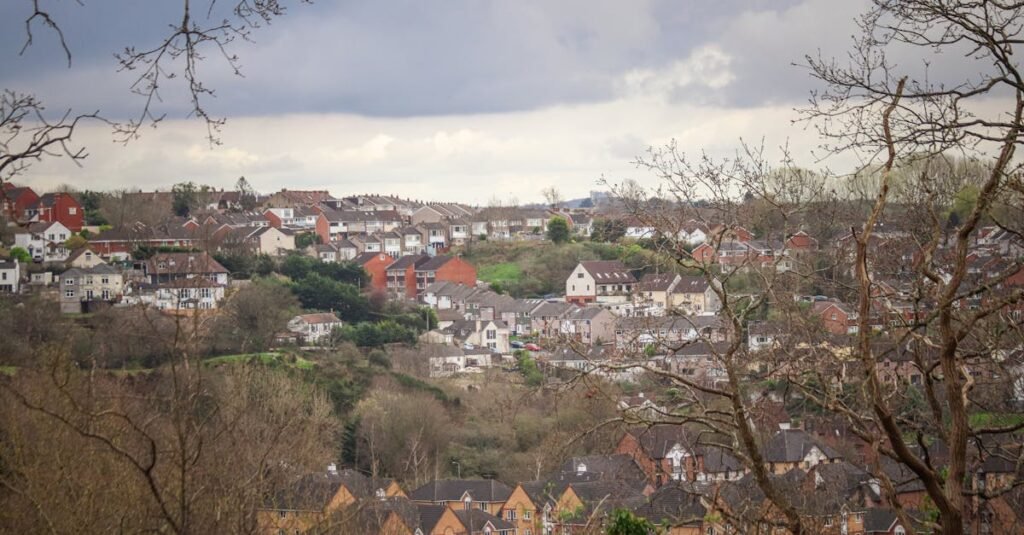
The UK property market is not one market in 2026. It is at least three. First-time buyers are struggling with deposits after Help to Buy closed. Ultra-premium buyers (£2m+) are in wait-and-see mode ahead of 2028 council tax changes. And in the middle, second stepper properties — the family homes — are quietly outperforming.
If you are looking to trade up, or selling in this bracket, understanding why this segment works right now — and what the deposit gap actually costs — matters more than any headline about the national average.
The Trading Up Gap — UK Average 2026
£118,902
average gap between first-time buyer home and second stepper — the widest on record
Rightmove, March 2026
52%
price jump from first home to second stepper — up from 45% five years ago
Rightmove, March 2026
Why are second stepper properties outperforming the rest of the market?
First-time buyers are still stuck. Help to Buy closed for new applicants in late 2022 and wound down fully in March 2023. Without it, first-time buyers need bigger deposits or must stretch further. Fewer first-time buyers trading up sounds bad for second steppers — but it also means less competition for those who can afford to step up. If you have equity from a first purchase, your position is stronger than it has been in years.
Premium buyers are watching the council tax change. From April 2028, a High Value Council Tax Surcharge applies to properties valued at £2m+, starting at £2,500/year and rising to £7,500+ above £5m. Some of that demand is filtering down into the second stepper segment, where buyers who would normally trade into high-end homes are finding genuine value at lower price points.
Structural demand is real, not speculative. Second stepper homes are bought because families need to live in them. Not as investments, not as tax vehicles, not as international capital hedges. Prices track genuine supply and demand. Every family that has outgrown a two-bed flat needs a second stepper. The UK has millions of young families. That demand creates a floor under prices.
How much does the second stepper gap vary by region?
| Region | First-time buyer home | Second stepper home | Gap |
|---|---|---|---|
| London | £491,661 | £788,528 | 60% |
| South East | £286,748 | £460,781 | 61% |
| UK average | £226,955 | £345,857 | 52% |
| Wales | Typical | ~40% higher | 40% |
| Yorkshire & Humber | £182,029 | £251,885 | 38% |
London and the South East see the steepest jumps — 60–61%. Yorkshire buyers face a gentler 38% step up. If you are locked into a high-cost region for work or family, the deposit you need is proportionally much larger. The widening gap comes from flats (the typical first-time buyer purchase) appreciating just 8% over the past decade while houses have risen 34%.
What does the deposit jump actually look like in pounds?
| Scenario | First-time buyer deposit (20%) | Second stepper deposit (20%) | Extra equity needed |
|---|---|---|---|
| UK average | £45,391 | £69,171 | £23,780 |
| South East | £57,350 | £92,156 | £34,806 |
| London | £98,332 | £157,706 | £59,374 |
You are not just paying a 52% higher price. You need 52% more equity to hit the 20% deposit threshold. That comes from property appreciation plus years of savings. If your first home has not gained £23,780 in equity, you either deposit less (triggering higher mortgage fees) or save cash on top.
Why does 2026 timing work for trading up?
Interest rates have fallen through 2025 and continue to ease. The lowest 2-year fixed rates are now 3.55% and 5-year deals sit at 3.76%. Lower rates mean your borrowing power grows. Lenders no longer test borrowers at SVR plus 1% for fixes under five years, which means you can borrow up to 24% more than under previous criteria.
For second steppers trading up, this matters: even though deposit gaps have widened, the mortgages you can afford have improved. The constraint is equity, not income.
💡 REGIONAL OPPORTUNITY
Outside London and the South East, the deposit gap is much smaller. A 38% step up in Yorkshire is vastly more manageable than a 60% jump in London. The North East is forecast to see 16.4% growth over the next four years, followed by Scotland (13.6%) and Yorkshire (12.5%). If you have location flexibility, second steppers in Scotland, Wales, and the North offer genuine value.
What should second stepper buyers know before committing?
Your equity is the constraint, not your income. If your first home has only appreciated 20% and you need 20% down on a property 52% more expensive, you hit a wall. Consider stepping up from a £300,000 property to £400,000 rather than going straight to £450,000+. Build the jump in stages.
Get a survey — these homes have history. Second stepper properties are often 30 to 80 years old. Survey costs range from £450 to £850 for a standard Level 2 assessment. Given the sums involved, a survey is not optional. It is insurance. Use it to negotiate if defects are found.
Expect less negotiation room than you think. Because demand for these properties is strong, asking prices tend to stick. You may negotiate 1–3% below asking. You will rarely get 5% or more unless serious defects emerge.
⚠️ STAMP DUTY SURCHARGE IF YOU OWN TWO PROPERTIES
If you buy a second stepper while still owning your first home, a 5% stamp duty surcharge applies from April 2025 (previously 3%). On a £345,000 property, that adds roughly £17,250 to your costs on top of standard SDLT. Factor this into your total budget and timeline — you may need to sell first to avoid it.
Frequently asked questions
Is 2026 a good year to trade up?
Yes, if you have the equity. Second steppers are the best-positioned segment in a split market. First-time buyer demand is weak, premium buyers are hesitant, and second steppers occupy the middle ground. If you have built equity in your first home and can raise the deposit, 2026 is favourable. If you are still saving, estimate 5–7 years of ownership before you have enough for a 20% deposit on a second stepper.
How much more do I need to save to trade up?
On average, you need an extra £23,780 in equity for a 20% deposit on a second stepper versus a first-time buyer home. In London, that figure is £59,374. In Yorkshire, closer to £17,520. Check Rightmove or Zoopla for typical prices in your region and work backwards to your target deposit.
What if I cannot save the full 20% deposit?
Many second steppers put down 15% and pay a higher mortgage fee, or 10% and accept lender insurance costs. Run the numbers: the cost of a higher fee might be lower than waiting another two years to save. Talk to a mortgage broker about your specific situation.
Are second stepper prices rising in 2026?
Modestly. Analysts predict around 2% nationally by year end. Second steppers are likely to perform in line with or slightly above that, given structural demand. Not a boom year, but not a bust either. More affordable regions (the North, Scotland) are forecast to outperform London and the South East.
Should I get a survey before making an offer?
Commission it after offer acceptance and before exchange. At that point you have leverage. If defects are found, you can renegotiate or withdraw. A survey ordered before an offer wastes money if your offer is rejected.
Inspect the property before you commit the equity
Scan any property for visible issues in seconds with homeSurvey. Free to download.


Know exactly what you're buying
Walk any property with the free homeSurvey app and get an AI condition report for £24.99 — before you spend hundreds on a traditional survey.