
Homeowners
The Real Cost of Renovation in 2026: UK Builder Rates, Materials Prices, and What to Budget Per Room
⚡ QUICK ANSWER
The real cost of renovation in 2026 depends on what you are tackling. A kitchen costs £8,000 to £30,000. A bathroom runs £3,500 to £11,000. A full three-bed house renovation typically lands between £120,000 and £280,000. Labour makes up 40-60% of the bill; materials cover the rest. Builder day rates sit at £200 to £320, with electricians and plumbers charging £250 to £500. Material costs rose 2.0% in the 12 months to January 2026, and that trend continues. The real damage comes from detail costs that pile up once work starts: unexpected wall removal, damp treatment, outdated plumbing. Budget 10-15% contingency on top of your main estimate.
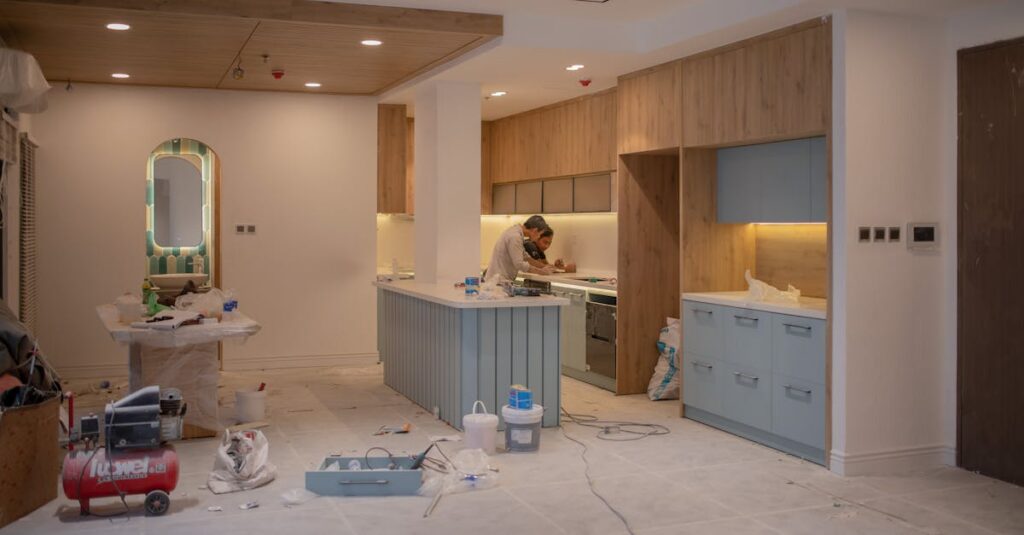
If you are renovating a UK property, the single biggest cost shock is not the headline spend. It is the detail costs that pile up once work starts. A client requests an extra wall removed. Damp appears behind the plaster. The 1970s electrics cannot handle a modern kitchen. Suddenly your £80,000 budget becomes £110,000.
Here is what current trade data says you will actually pay in 2026, broken down by room, by trade, and by material.
UK Renovation Costs in 2026
39.1%
materials prices are higher than pre-pandemic 2019 levels
BCIS, January 2026
15-25%
labour cost increase since 2023 due to skills shortage and NI rise
Checkatrade / BCIS, 2026
What do builders and trades actually charge in 2026?
There is no single UK rate card, but Builder Exchange and Checkatrade data track what general builders, plumbers, electricians, and bricklayers charge in 2026. Day rates are the baseline. Most trades price by the job, but day rates give you a reference point for how much labour actually costs.
| Trade | Low rate | High rate | Notes |
|---|---|---|---|
| General builder | £200 | £320 | Varies by region and experience |
| Bricklayer | £180 | £350 | Up 7% since 2024 |
| Plasterer | £130 | £400 | Specialised finishes cost more |
| Electrician | £250 | £500 | EICR and Part P compliance needed |
| Plumber | £250 | £500 | Copper pipe costs remain elevated |
| Carpenter | £200 | £400 | Timber prices stabilising |
⚠️ LONDON AND SOUTH EAST PREMIUM
London rates run 25-40% higher than the UK average. A general builder charging £250/day outside London might charge £350+ in London or the South East. Factor this into every estimate.
How much have material costs actually risen?
Materials account for roughly 40-60% of total renovation cost, depending on the scope. According to the Building Cost Information Service (BCIS), materials prices rose 2.0% in the 12 months to January 2026, with forecasts suggesting 2-3% growth through 2026. New housing materials rose 4.0%, while repair and maintenance materials rose 3.7%.
The key point: material costs are not dropping. Even 2% annual inflation means your budget needs a buffer built in for 2026.
| Material | Cost per unit | Trend |
|---|---|---|
| Clay facing bricks (per 1,000) | £350-£550 | Flat to slight rise |
| Concrete blocks 100mm (per 100) | £65-£95 | Steady |
| Plasterboard (per sheet) | £10-£18 | Stable |
| Copper pipe (per metre) | £12-£20 | Elevated but stable |
| Timber (per cubic metre) | £300-£500 | Stabilising |
How much does a kitchen renovation cost in 2026?
| Specification | Cost range | What it includes |
|---|---|---|
| Budget refit | £6,000-£8,000 | Replace units, basic counters, standard splashback, existing layout kept |
| Mid-range refit | £8,000-£15,000 | New units, counters, appliances, splashback, lighting, flooring |
| High-spec refit | £15,000-£30,000 | Bespoke units, engineered stone, built-in appliances, design consultation |
Hidden costs: Replumbing (if layout changes) adds £1,500-£3,500. Re-electrics (for circuits to new appliances) add £800-£1,500. Extractor hoods with external venting add £500-£1,200. These are the costs that turn a £10,000 kitchen into a £14,000 one.
How much does a bathroom renovation cost in 2026?
| Size | Cost range | Scope |
|---|---|---|
| Small (ensuite/cloakroom) | £2,000-£3,500 | New suite, splashback, flooring |
| Standard (1.8×2.4m) | £3,500-£7,500 | Suite, tiles, electrics, ventilation, possible damp treatment |
| Large (master bath) | £7,500-£11,000 | Premium suite, rainfall shower, heated towel rail, underfloor heating option |
Hidden costs: Damp treatment (if found during work) costs £500-£2,000 for a single room. Structural damp remediation can reach £5,000+. Plumbing changes add £1,000-£2,500. Tiling labour is £50-£80 per square metre.
How much does bedroom and flooring work cost?
| Work type | Typical cost |
|---|---|
| Paint, new carpet, lighting | £1,500-£3,000 |
| Rewire (single bedroom) | £1,200-£2,000 |
| Built-in wardrobes (full wall) | £2,500-£6,000 |
| Complete refresh (all of above) | £5,000-£8,500 |
| Floor type | Cost per m2 (incl. labour) | Notes |
|---|---|---|
| Laminate | £20-£30 | Budget option, durable |
| Vinyl | £15-£25 | Waterproof, good for kitchens |
| Real wood | £30-£60 | Installation and finishing labour-intensive |
| Ceramic tile | £25-£50 | Higher labour cost due to grouting |
| Polished concrete | £20-£40 | Trendy but requires specialist contractor |
For a typical three-bed house (roughly 100 m2 of flooring across the ground floor), budget £2,500-£5,000 for materials and labour combined.
What does a full house renovation actually cost?
The most common fixer-upper scenario: a typical three-bedroom semi-detached house, built 1960-1980, with dated plumbing, insufficient electrics, poor insulation, and worn bathrooms and kitchen.
Three-Bed 1970s Semi: Detailed Cost Breakdown
What is the cost per square metre for a full renovation?
For full house renovations, UK costs average £1,200 to £2,800 per square metre depending on specification level. Basic spec runs £1,200-£1,500/m2. Standard spec runs £1,700-£2,000/m2. Premium spec runs £2,100-£2,800/m2.
A typical 100 m2 three-bed house renovation (basic to standard spec) lands at £120,000-£200,000 before contingency. Add 15% contingency and the real cost is £138,000-£230,000.
What makes renovation costs spike unexpectedly?
| Build era | Budget multiplier | Why |
|---|---|---|
| Post-2000 | 1.0x (baseline) | Modern systems, fewer surprises |
| 1980-1999 | 1.2x | Older wiring and plumbing |
| 1960-1979 | 1.5x | Major systems often need replacement |
| Pre-1960 | 1.8-2.5x | Asbestos risk, structural unknowns, subsidence potential |
Hidden defects: If you discover damp, dry rot, asbestos, subsidence, or failed electrics during work, expect an additional £1,000-£10,000+ depending on severity. This is why a pre-renovation survey is worth every penny.
Planning permission and Building Control: If your work requires planning permission (extensions, lofts, significant structural changes), add £500-£2,000 for application and fees, plus potential delays. Building Control sign-off adds another £500-£1,500.
Supply chain delays: Bespoke kitchens and appliances can have 8-12 week lead times. If you have a fixed completion date, delays cost money. Carpenters and bricklayers remain the hardest trades to secure due to the construction skills shortage.
How much do loft conversions and extensions cost?
Loft conversion
The average loft conversion in the UK in 2026 costs between £45,000 and £80,000 depending on type. A Velux dormer runs around £20,000. A standard dormer averages £55,000-£65,000. A mansard loft runs £55,000+. Labour accounts for 40-60% of the total cost. Always budget 10-15% contingency plus architect, structural engineer, and Building Regulations fees (£3,000-£6,000).
✅ STRONG RETURN ON INVESTMENT
Loft conversions add up to 20-24% to property value, making them among the highest-ROI renovation projects you can take on.
Single-storey extension
Single-storey extensions cost £1,800-£3,000 per square metre for standard spec. A 20 m2 extension at £2,400/m2 runs £48,000 before contingency. Double-storey extensions cost 1.6x the ground floor rate per m2. Include groundworks, structure, roofing, windows, plastering, and first fix, but budget separately for fitted kitchens, bathrooms, and landscaping.
Which renovations give you the best return on investment?
| Project type | ROI on cost | Notes |
|---|---|---|
| Kitchen (mid-range) | 60-80% | Adds 10% to property value. Most recoverable project. |
| Bathroom | 50-70% | Adds 4% to value. Returns improve with insulation. |
| New central heating | 80%+ | Improves EPC rating and appeal. Needed if boiler is failing. |
| Insulation/double glazing | 70-85% | Improves EPC, lowers bills, makes house more appealing. |
| Loft conversion | 60-75% | Adds up to 20% to value. Strong ROI overall. |
| Cosmetic refresh only | 30-50% | Paint, flooring, without addressing core issues. Weakest return. |
The pattern is clear: structural and functional improvements (heating, plumbing, electrics, kitchens) return 60-85%. Purely cosmetic work returns 30-50%. Buyers care more about how a home functions than whether it matches the current trend.
⚠️ THE CONTINGENCY IS NOT OPTIONAL
The 15% buffer is what keeps you sane when the surveyor finds asbestos in the bathroom tiles or the 1950s plumbing is actually lead. Construction projects in the UK exceed their budget by at least 16% on average. Without contingency you are almost guaranteed to overrun.
Frequently asked questions
Should I add a contingency buffer? How much?
Yes. Budget 10-15% on top of your main estimate. For a £50,000 renovation, that is £5,000-£7,500. This is what RICS, the Federation of Master Builders, and experienced developers all recommend. Extensions and loft conversions justify 15% due to structural unknowns. Standard renovations can run 10%.
Are these day rates inclusive of materials or labour only?
Day rates are labour only. Materials are quoted separately. A builder charging £300/day covers the person and basic tools, not the bricks, plaster, pipes, or paint.
How much should I budget for project management?
If you hire a project manager (recommended for jobs over £80,000), expect 5-10% of total cost. A £100,000 renovation would cost £5,000-£10,000 in project management fees. Many people manage small projects themselves to save money, but it carries risk of cost overruns and quality issues.
What is the expected timeline for a renovation?
Budget-restrained renovations: 8-12 weeks. Mid-range full house: 12-20 weeks. Major structural work or discovery of defects: 20+ weeks. Add 10-20% to your timeline estimate to account for weather, supply delays, and unforeseen issues. The construction skills shortage means booking tradespeople early matters more than timing.
Do renovation costs vary seasonally?
Minimally. Trades may have slightly more availability in winter (lower demand), but material costs are set nationally and do not fluctuate much month to month. Securing your builder early is more important than timing to save money.
What about damp treatment? How much does it cost?
A damp survey costs £150-£300. Treatment for a single room runs £500-£2,000. Full structural damp remediation (rising damp, wet rot) can reach £5,000+. If you are buying a property pre-1960 without a Level 3 survey, budget for damp as a hidden cost. It is the single most common shock in older house renovations.
Spot the issues before the builders start
Scan any property for visible issues in seconds with homeSurvey. Free to download.


Know exactly what you're buying
Walk any property with the free homeSurvey app and get an AI condition report for £24.99 — before you spend hundreds on a traditional survey.