
Sellers
The Pre-Listing Checklist: What to Fix, What to Leave, and What to Declare
⚡ QUICK ANSWER
A pre-listing checklist is a structured guide for sellers to decide which repairs to make, which to skip, and which issues to declare before putting a property on the market. Fixing everything before you sell is a mistake. Replace a boiler (costs £2,500–£4,500, recovers ~90% of cost) and you recover almost all your money. Repaint a bedroom (costs £500, recovers ~5%) and you recover £25. Prioritise by ROI: structural safety first, then improvements that return the most money, then declare everything else.
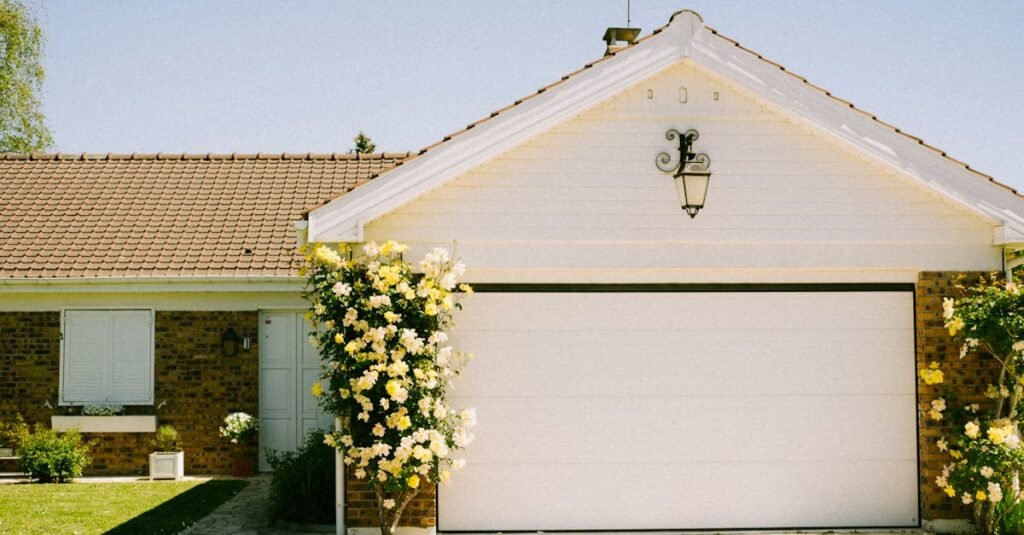
The moment a “For Sale” sign goes up, sellers suddenly see everything wrong with their house. The temptation is to fix it all: paint every room, replace the kitchen, mend the fence. But fixing everything is expensive and rarely recovers what you spend.
Sellers who tackle repairs strategically — focusing on high-ROI work and honest disclosure — sell 12% faster and lose less to price negotiation than those who either ignore defects entirely or over-invest in cosmetic work.
Which pre-sale repairs give you the best return on investment?
| Repair | Cost range | ROI | Priority |
|---|---|---|---|
| Boiler replacement | £2,500–£4,500 | 90% | CRITICAL |
| Roof repair (structural) | £1,000–£8,000 | 85% | CRITICAL |
| Damp treatment | £800–£2,000 | 80% | HIGH |
| Electrical rewiring | £3,500–£6,000 | 75% | HIGH |
| Window replacement | £400–£1,200/window | 70% | HIGH |
| External paintwork | £800–£2,500 | 65% | MEDIUM |
| Kitchen refurbishment (mid-range) | £5,000–£15,000 | 60% | MEDIUM |
| Bathroom refresh | £2,000–£8,000 | 50% | MEDIUM |
| Flooring replacement (one room) | £1,000–£4,000 | 45% | LOW |
| Interior paintwork (one room) | £300–£800 | 5% | LOW |
| Garden landscaping | £500–£3,000 | 20% | LOW |
| New front door (cosmetic) | £600–£2,000 | 35% | SKIP |
What makes a repair “critical” vs “skip”?
CRITICAL repairs are non-negotiable. A boiler on its last legs, a roof with active leaks, or visible structural problems will trigger survey findings that kill your sale. Buyers will walk away or renegotiate the price down to cover the repair cost (and add 10–15% contingency because they do not trust you). Fixing these first recovers most of the money and keeps the deal alive.
HIGH priority repairs trigger survey red flags. Electrical hazards, damp, failed windows, and major cracks create doubt. Repairing these before listing means your survey comes back clean, which prevents renegotiation.
MEDIUM priority improves marketability but is negotiable. A tired kitchen loses 5–10% of the asking price but does not kill the sale. A strategic kitchen refresh — cabinet spraying plus new handles plus a fresh worktop, total cost under £4,000 — can recover 150%+ ROI in some markets.
LOW priority and SKIP means cosmetic work that wastes your money. Painting a bedroom returns roughly 5p per pound spent. A £3,000 landscape design might add £300–600 to your sale price. Let the next owner choose their own colours.
⚠️ BOILER LIABILITY: THE MOST COMMON POST-COMPLETION DISPUTE
A boiler that fails within six months of sale is a nightmare for the buyer. If you know it is struggling, replace it before listing. The cost (£2,500–£4,500) is almost fully recoverable, and you avoid the situation where your buyer discovers a dead boiler two weeks after completion and considers legal action. UK law places liability on sellers for misrepresentation of boiler condition.
What must you legally declare before selling?
UK property law has shifted. The Consumer Protection from Unfair Trading Regulations require sellers to disclose material information. Here is what you must declare on the TA6 form:
Structural and building defects: Cracks in walls (especially diagonal or stepped), roof leaks, evidence of damp or water ingress, subsidence (past or present), Japanese knotweed, extensions or alterations made without Building Regulation approval.
Systems and services: Boiler age and condition, breakdown history, electrical hazards or non-compliant wiring, central heating problems, plumbing faults.
Materials and hazards: Asbestos or suspected asbestos (especially in lofts and around pipes), lead paint (homes built before 1992), radon or other environmental hazards.
External factors: Flooding history or flood risk, boundary disputes, noise or antisocial behaviour in the neighbourhood, tree preservation orders.
What does a real repair decision look like?
Worked Example: Robert’s 1970s Semi-Detached
Boiler: 18 years old, occasionally fails. Cost to replace: £3,500. FIX THIS.
Why: Recovers £3,150 (90% ROI). If buyers find out it is unreliable, they will ask for a £5,000 discount.
Bathroom tiles: Dated, grout is mouldy. Cost to refresh: £4,000. CONSIDER IT.
Why: Buyers will negotiate £2,000 off anyway. A refresh speeds up the sale by weeks.
Living room walls: Need repainting; colour is dark. Cost: £500. SKIP IT.
Why: Repainting returns 5% (£25). The buyer will want to paint anyway.
Roof: Minor missing tiles (no leak yet). Cost to repair: £800. FIX THIS.
Why: Recovers £680 (85% ROI) and avoids survey problems. Skipping it means buyers demand £1,500 off.
Fence panels: Rotting but still stand. Cost to replace: £2,000. SKIP IT.
Why: Fences are low priority. Buyers expect to replace them. Declare it and move on.
How should you talk to your agent about repairs?
Tell your agent which repairs are completed, which are planned, and which you are disclosing but not fixing. Be specific: not “the boiler is fine” but “boiler replaced March 2024, 10-year warranty, all certificates available.” Buyers want evidence. If you replace something, keep receipts and warranties.
If the damp is under treatment but not finished, say so. If the roof repair is scheduled for May, say so. Buyers respect a timeline more than they respect silence. And your conveyancer will thank you — anticipating survey findings removes leverage from the buyer’s negotiation.
✅ PRE-LISTING INSPECTION: YOUR ADVANTAGE
Get a pre-listing condition report before you put the house on the market. Cost: £300–£800. If you understand what the survey will find, you can decide whether to fix it or disclose it. This removes surprises and prevents last-minute renegotiations or fall-throughs.
Frequently asked questions
Can I hide a known defect and hope the survey does not catch it?
No. Modern surveys are thorough, and if discovered later you face legal liability under the Consumer Protection from Unfair Trading Regulations. Honest disclosure plus a lower price is better business than dishonesty and a lawsuit.
Is it worth replacing a boiler before selling?
Almost always. A failing boiler kills sales or forces heavy negotiation. Replacement costs £2,500–£4,500 and recovers roughly 90% of the spend. A buyer who discovers a dead boiler one month after moving in will feel cheated and may consider legal action.
Should I upgrade the kitchen before selling?
Only if it is currently non-functional or very obviously dated. A mid-range kitchen refresh (£5,000–£10,000) recovers about 60% of the cost but speeds up the sale. A dated-but-working kitchen loses you a negotiating chip but does not kill the deal. Calculate the cost versus the discount you are likely to face.
What if I cannot afford to fix the critical repairs?
Disclose them and price the property accordingly. Factor the repair cost into your asking price. Buyers will either take on the work themselves or walk away. Better to sell lower than to risk a renegotiation after a survey flags it.
Should I get a pre-listing condition report?
Yes. A pre-listing inspection costs £300–£800 and can save thousands in negotiation and fall-throughs by removing surprises. If you understand what the survey will find, you can decide whether to fix it or disclose it strategically.
Know what to fix and what to declare before you list
Scan any property for visible defects and condition issues with homeSurvey. Free to download.


Know exactly what you're buying
Walk any property with the free homeSurvey app and get an AI condition report for £24.99 — before you spend hundreds on a traditional survey.