
Homeowners
What Does a Green EPC Rating Actually Do to Your Property’s Value?
⚡ QUICK ANSWER
An EPC rating is a measure of your property’s energy efficiency on an A-to-G scale, and green ratings (A or B) can add £26,600 to £57,000 to your property’s value compared to a D rating. However, the uplift varies by region and property type. Single improvements like loft insulation or cavity wall insulation typically return their cost. Comprehensive retrofits rarely pay back unless government grants cover most of the expense. The penalty for poor ratings (F or G) is sharper than the premium for excellent ones.
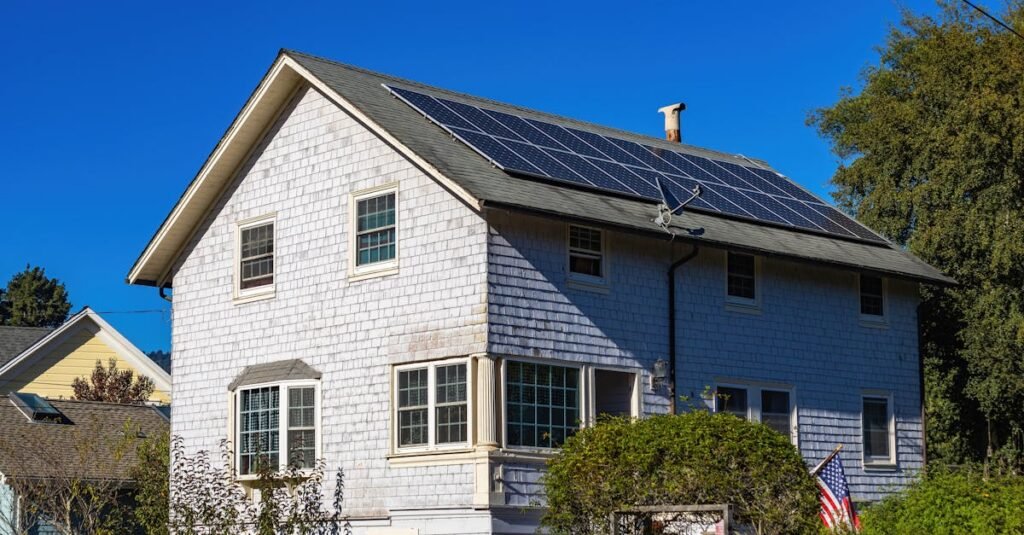
Energy performance certificates stopped being paperwork filed away years ago. They now materially affect what your house is worth. Over two-thirds of UK buyers rank energy efficiency above gardens and parking when choosing a home. That shift has created measurable price premiums — but there is a gap between what green improvements cost and what buyers will actually pay for them.
The marketing around green homes leans heavily on the upside. The data is more honest: the value premium is real, but smaller than many people assume. And the maths on retrofitting get complicated quickly.
EPC and Property Value — The Numbers
9.4%
average price premium for retrofitted homes (~£26,600 more than non-retrofitted equivalents)
Santander Research, 2024
£2,762
extra annual energy cost for a G-rated property vs an A-rated equivalent — £27,620 over 10 years
DESNZ Energy Cost Data, 2025
How much is a green EPC rating actually worth in pounds?
The answer depends on which dataset you look at. Different research methods produce different estimates, but the direction is consistent: green properties command a premium.
| EPC Improvement | Estimated Price Uplift | Data Source |
|---|---|---|
| A or B vs D (average homes) | 2.8% premium (~£8,400) | Nationwide House Price Index, 2024 |
| A or B vs D (absolute value) | Up to £57,000 added | Uswitch analysis, 2024 |
| F to C (substantial improvement) | 15% uplift (~£56,000) | Rightmove Green Homes Report, 2025 |
| D to C (single band) | 3% uplift (~£11,157) | Rightmove analysis, 2025 |
| Retrofitted homes (all ratings) | 9.4% premium (~£26,600) | Santander research, 2024 |
| Solar, heat pump, battery combined | 16% value increase | University of Cambridge study |
| Solar panels only | 6.1–7.1% increase (~£14k–£16k) | Swansea University study, 2024 |
⚠️ THE GREEN WEALTH DIVIDE
Half of properties valued at £1 million-plus have improved their EPC rating since the previous certificate. Only 32% of properties worth under £400,000 have done so. Affluent homeowners can afford retrofits; many others cannot. Energy efficiency is becoming a marker of property class, not just environmental responsibility.
What actually drives the green price premium?
The premium exists because of three separate forces working together.
Energy cost savings. A G-rated property costs £2,762 more per year to heat and power than an A-rated equivalent. Over 10 years, that is £27,620 of pure cash difference. Buyers factor this into their offers — it is not altruism, it is basic arithmetic.
Regulatory pressure. The EPC C mandate for rentals (deadline October 2030) creates demand for upgrades. Landlords must improve properties or exit the market, which pushes retrofit costs upward and incentivises some landlords to sell now at a discount rather than fund improvements.
Buyer demand (real but selective). Properties rated A and B sell 15–20% faster than those rated D or below. Rental premiums for EPC A and B properties are rising 8–10% faster than average. But this demand is strongest in cities and affluent areas, weaker in post-industrial regions.
Does it actually pay to upgrade your EPC before selling?
This is where the optimistic narrative falls apart. If you are deciding whether to invest in upgrades now, you must compare the cost against the measurable uplift. The data tells a more nuanced story than the marketing.
| Upgrade | Typical Cost | EPC Gain | Value Uplift (15% scenario) |
|---|---|---|---|
| Loft insulation (270mm top-up) | £500–£900 | +1 band | £6,700–£11,200 |
| Cavity wall insulation | £1,500–£3,000 | +1–2 bands | £6,700–£16,800 |
| Boiler replacement (combi) | £2,500–£4,500 | +1 band | £3,360–£11,200 |
| Double glazing (whole house) | £3,500–£8,000 | +1 band | £6,700–£11,200 |
| Solar panels (4kW installed) | £6,000–£9,000 | D to C or C to B | £11,200–£16,800 |
| Full retrofit (fabric + heating) | £20,000–£40,000 | G to B or F to A | £22,400–£44,800 |
The pattern is clear. Single improvements (cavity insulation, loft insulation, a new boiler) cost less than £5,000 and typically yield value uplifts of £6,700–£16,800 depending on the property. The maths work. A full retrofit costs 5–10 times as much and takes years to pay back through energy savings alone, let alone on resale value.
WORKED EXAMPLE
Is Solar Worth It Before Selling?
£7,500
Install cost
Which government grants can help pay for EPC upgrades?
Several schemes exist to subsidise improvements. Whether they make retrofitting financially viable depends on your property, eligibility, and local funding availability.
| Scheme | What It Covers | Grant Amount | Eligibility |
|---|---|---|---|
| ECO4 | Insulation, heating, draught-proofing | £3,000–£10,000 | Income under £30,000 (means-tested) |
| Great British Insulation | Loft and cavity wall insulation | Up to £5,000 | EPC rating D–G, property owner |
| Boiler Upgrade Scheme | Heat pump or biomass installation | Up to £7,500 | Owner-occupied or private rental |
| Local authority schemes | Varies by region | £500–£5,000 | Depends on region and property |
⚠️ GRANTS ARE NOT GUARANTEED
These schemes exist but are not reliably available. Eligibility is means-tested, properties must meet certain criteria, and funding pots run out. Do not assume you qualify. Check your local authority’s energy efficiency programme before committing to a retrofit. Bureaucratic friction deters many people from even starting the process.
Why is the penalty for a poor EPC worse than the premium for a green one?
Most discussions focus on the upside of improving from D to A. The downside is sharper and more commercially urgent.
Properties rated F or G sell for 4.2% less than D-rated equivalents. On a £300,000 property, that is a £12,600 discount. In some cases the penalty is steeper: moving from F to C could improve value by 19.6% (approximately £64,400), meaning F-rated stock is significantly discounted in the current market.
If your property is dragging down the market with a low rating, fixing it is more commercially urgent than adding greenery on top of a D. The asymmetry matters: buyers will penalise you for poor energy performance, but will not pay premium prices for marginal improvements above D.
What does the 2030 EPC C mandate mean for landlords?
From 1 October 2030, all rental properties in England and Wales must have a minimum EPC rating of C. Landlords operating rentals below C have no choice: upgrade or exit the market. The government estimates the average cost per property at £6,100–£6,800, with a cost cap of £10,000 per property.
An estimated 2.9 million rental homes in England and Wales need upgrades to meet the 2030 standard, requiring around £23.4 billion in total investment. This creates a demand shock for retrofitting — contractors’ costs will rise as they work through the backlog, and landlords facing the deadline will either absorb the cost (passing it to tenants as higher rents) or sell the property before the deadline at a discount.
For owner-occupiers not planning to let their property, the 2030 deadline is technically irrelevant. But if you are buying and might let the property later, or selling to someone who might, the regulatory pressure creates real value implications.
Frequently asked questions
If I improve my EPC from D to C, how much more should I price my property?
Rightmove data suggests a 3% uplift for a single-band improvement. If your property would sell for £300,000 as a D, pricing it at £309,000 as a C is defensible — assuming the improvement is visible and recent. If you spent £3,000 on the upgrade, you have broken even at £309,000 and made money above that, provided the buyer agrees the upgrade justifies the premium.
Is there a penalty for selling with a poor EPC rating?
Not a legal penalty for owner-occupiers yet, but the market is shifting. 61% of landlords would not buy a rental below C, and 19% of tenants rank energy efficiency as a major factor. Properties rated F or G sell for around 4.2% less than D-rated equivalents. It is not a showstopper, but it is friction that costs you money.
How do I know if my EPC rating is accurate?
EPC ratings are assessor-dependent. Two assessors may rate the same property differently based on their interpretation of renovation age, heating efficiency, or insulation. If your EPC seems pessimistic and you have recent energy bills to contradict it, request a re-assessment. The cost is £150–£250. A revised certificate can unlock value or convince buyers that your property is better than it initially appeared.
Should I get solar panels before selling?
Solar panels cost £6,000–£9,000 and can improve an EPC from D to C or C to B. The value uplift (£11,200–£16,800) can cover the cost on paper. In practice, buyers are wary — they assume panels are financed with a lease, the warranty is unclear, or the installation was not professional. If you are considering solar, combine it with a boiler or loft insulation upgrade and ensure all documentation is crystal clear and transferable.
What is the difference between upgrading for resale versus for future rental?
For resale to owner-occupiers, marginal improvements (D to C) yield modest premiums around 3%. For future rental income, the 2030 EPC C mandate creates urgency — the upgrade is not optional, it is regulatory. If you plan to let the property, price any prospective rental purchase with the upgrade cost factored in.
Spot energy issues before they hit your wallet
Scan any property for visible insulation gaps, draughts, and efficiency red flags in seconds with homeSurvey. Free to download.


Know exactly what you're buying
Walk any property with the free homeSurvey app and get an AI condition report for £24.99 — before you spend hundreds on a traditional survey.