
First-Time Buyers
Do You Really Need a RICS Survey? The Honest Answer
⚡ QUICK ANSWER
A RICS survey is a professional property condition assessment carried out by a chartered surveyor. You probably do need one, but maybe not the type you think. Fewer than 1 in 10 UK property purchases include a formal RICS survey, yet 11% of buyers who skipped one later discovered problems they regretted not identifying. The question is not whether to survey — it is which type, when to commission it, and when alternatives might serve you better.
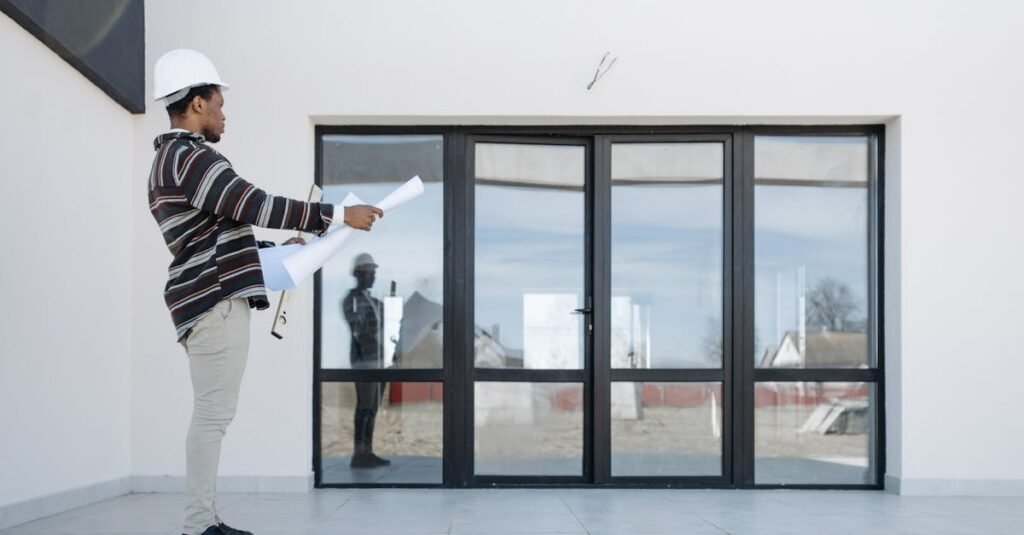
A mortgage valuation is not a survey. A lender valuation is a 20–30 minute confirmation that the property is worth the loan amount. It does nothing to assess building condition, structural risk, or hidden defects. Yet around 64% of UK buyers skip professional surveys because they either do not understand this distinction, assume the lender’s valuation covers it, or feel they cannot afford the extra cost.
The irony is that a £450–£850 survey typically costs far less than the repairs buyers discover after completion.
The Survey Gap — UK Property Purchases
<10%
of UK property purchases include a Level 2 or Level 3 RICS survey
RICS / industry data, 2025
17%
of buyers who skipped a survey and found defects faced repair bills exceeding £12,000
Consumer survey data, 2025
What does each RICS survey type actually cover?
RICS defines three levels. The confusion starts here, because the names are bland and the coverage descriptions are vague. Here is what happens in practice.
| Survey type | Time on site | What it actually does | Cost |
|---|---|---|---|
| Level 1 (Condition Report) | 30–45 mins | Visual check only. Flags obvious defects visible from accessible parts. Traffic-light system. Basic health check. | £380–£550 |
| Level 2 (HomeBuyer Survey) | 2–3 hours | Visual inspection across accessible areas. Looks for damp, cracks, roof, windows, services. Condition assessment for value impact. Non-invasive. | £450–£850 |
| Level 3 (Building Survey) | 3–5 hours | Invasive structural inspection. Lifts floorboards, moves insulation, tests drains, opens walls where appropriate. Detailed technical analysis. | £750–£1,500 |
⚠️ LEVEL 2 vs LEVEL 3 IS A BIGGER GAP THAN YOU THINK
A Level 2 surveyor will not lift a single floorboard. They will not open walls. If loft insulation covers the roof void, they will not move it. Damp beneath floorboards, subsidence in cavity walls, or structural movement in the loft will not be detected. A Level 3 surveyor will. If you have any doubt — old property, visible cracks, damp patches — Level 3 is not an upgrade. It is a different inspection entirely.
Which survey level do you need for your property type?
| Property type | Age | Start with | Upgrade to Level 3 if… |
|---|---|---|---|
| New-build flat/house | < 5 years, warranty active | None (warranty covers defects) | Warranty about to expire, or visible damage |
| Modern house/flat | 1950–1980 | Level 2 | Cracks, damp patches, roof issues visible |
| Semi or terraced | 1920–1950 | Level 2 (if good condition) | Cracked brickwork, subsidence signs, damp staining |
| Victorian / Edwardian | 1850–1910 | Level 3 (no alternative) | N/A — baseline is Level 3 |
| Listed building | Any age | Level 3 (mandatory for alterations) | Assumed — heritage damage is expensive |
| Cottage / rural | Pre-1930, non-standard | Level 3 | N/A — complex construction, high damp risk |
What do surveys typically find and what does it cost to fix?
RICS Survey Findings
Common Defects and Repair Costs
Based on RICS survey data · 2025/2026
A single damp repair discovered before exchange of contracts can be negotiated away or fixed by the seller. Discovered after, it is entirely yours. The survey pays for itself on one issue alone.
Why does timing matter more than most buyers realise?
Many buyers commission a survey weeks after offer acceptance, once emotionally committed and having paid broker fees, solicitor deposits, and valuation charges. This is backwards.
If a survey uncovers serious defects at that point, you have two bad options: renegotiate (contentious) or back out (losing £2,000–£4,000 in non-refundable costs).
✓ THE VIEWING-STAGE ASSESSMENT STRATEGY
A growing number of buyers commission visual property assessments during or immediately after viewing, before making an offer. This costs less than a formal survey and flags obvious visible defects (damp, cracks, roof damage) upfront. If problems emerge, you have not yet spent thousands on transaction costs. Early assessment beats late surprises every time.
What is the difference between a mortgage valuation and a survey?
| Mortgage valuation | RICS Level 2 survey | |
|---|---|---|
| Purpose | Confirm property is worth the loan (lender protection only) | Assess building condition for the buyer |
| Who benefits | The lender (not you) | You |
| Time spent | 20–30 minutes | 2–3 hours |
| Checks for defects? | No — only checks value and safety concerns | Yes — identifies visible condition issues |
| Cost | £0–£300 | £450–£850 |
| Can you negotiate price after? | No | Yes, if defects found |
When can you reasonably skip a traditional survey?
New-build with valid warranty: If you are buying a property less than 5 years old with an active NHBC or LABC warranty, a survey is redundant. The warranty covers major defects. If the warranty is about to expire or you see visible damage, upgrade to at least a Level 2.
Properties built 1950–1980: You can probably get away with Level 2. Standard brick, concrete, straightforward systems. A Level 2 will flag most issues.
Never skip for anything pre-1950, listed, or visibly damaged. Level 3 is not optional. Non-standard construction, historic wiring, unusual water systems, settlement, damp risk — this is exactly what Level 3 exists for.
How do you use survey findings to negotiate the price down?
A defect worth £2,000 to repair justifies asking for a £2,000 price reduction. Surveyors often estimate repair costs, but these are guides only. Get two or three repair quotes from specialists, then negotiate based on documented facts.
Two-thirds of homeowners who had a survey were able to negotiate a lower price or get the seller to fix issues before completion. The average price reduction after significant survey findings is 5–10% of the sale price.
What buyers do not do well: they ask for disproportionate reductions. A £2,000 damp issue does not justify a £10,000 price drop. Stick to documented costs from contractors and let the evidence speak.
Frequently asked questions
Can I get a Level 2 and upgrade to Level 3 later?
Yes. If a Level 2 flags concerns, ask for a Level 3. You will not pay for the Level 2 twice, but you will pay the full Level 3 fee. If you are unsure between the two, start with Level 3 for older properties or obvious defects. It is cheaper to go full from the start than to upgrade mid-process.
Should I use a local surveyor or a national firm?
Either works. Local surveyors often know regional quirks — subsidence risk in certain postcodes, building methods specific to the area. National firms offer standardised reports and scale. What matters is that they are RICS-qualified and insured. Check credentials and read recent reviews.
What if I am paying cash and not using a mortgage?
Surveys become even more important, not less. A mortgage lender forces a valuation, which indirectly nudges buyers toward surveying. If you pay cash, you lose that safety net. Damp and structural issues cost the same whether you have a mortgage or not. Do not skip the survey just because nobody is requiring it.
Can I use an online property assessment instead of a survey?
Not as a complete replacement. AI-powered property assessments and viewing-stage condition checks can flag visible defects and inform early negotiating positions. But they cannot replace the structural insight and invasive inspection of a Level 3, and they carry no professional indemnity insurance. Use them for early-stage due diligence alongside (not instead of) a formal survey.
What does the surveyor’s price estimate mean?
It is a guide, not a quote. Surveyors estimate repair costs but they are not contractors. Always get two or three repair quotes from specialists before using a survey estimate to negotiate. A damp specialist’s quote carries more weight in negotiations than a surveyor’s estimate.
Get a head start before the formal survey
Scan any property for visible defects in seconds with homeSurvey. Free to download.


Know exactly what you're buying
Walk any property with the free homeSurvey app and get an AI condition report for £24.99 — before you spend hundreds on a traditional survey.