
Buyers
Buying a Fixer-Upper in the UK: When the Numbers Actually Work
⚡ QUICK ANSWER
A fixer-upper is a property sold below market value because it needs significant repair work before it is habitable. They typically sell at 10-12% below move-in-ready prices, but that discount vanishes fast. A property priced £20,000 cheaper because it needs rewiring, a new boiler, damp treatment, and roof work will cost £18,000-£25,000 to fix. The only time a fixer-upper saves money is when your total spend (purchase + renovation) is at least 15% cheaper than an equivalent move-in-ready property in the same area. Most first-time buyers fail that test.
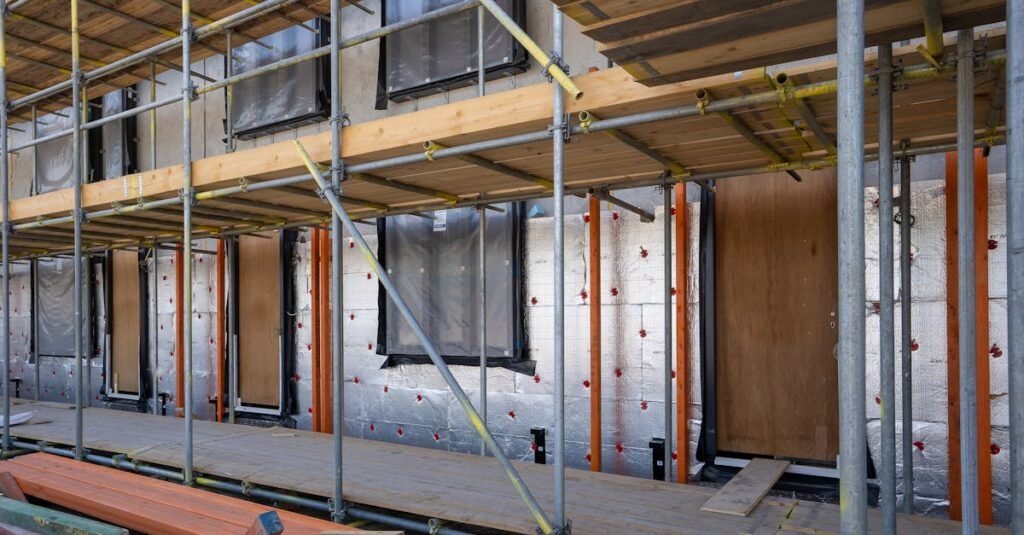
The phrase “project” disguises a cost problem. What a seller means by “needs some work” can range from fresh paint to structural failure. What buyers hear is “opportunity.” Then the bills arrive.
Fixer-Upper Reality Check
46%
of UK renovation projects exceed their initial budget by more than 20% before decorating even starts
Industry renovation data, 2024-2025
2.5x
the multiplier to apply to your initial cost estimate — a £20,000 project typically ends up costing £50,000
Contractor and survey data, 2026
Where does the money actually go on a fixer-upper?
Damp, electrics, plumbing, heating, and roof account for roughly 70% of renovation spend on older properties. Most UK fixer-uppers have problems in at least three of them. Here are the real 2026 figures.
| System | Typical problem | Low cost | High cost |
|---|---|---|---|
| Damp | Rising damp, one room | £500 | £2,000 |
| Electrical rewire | 3-bed house, full | £3,500 | £5,500 |
| Plumbing | 3-bed house, full replumb | £3,000 | £5,000 |
| Boiler replacement | New combi boiler fitted | £2,500 | £4,500 |
| Roof repair | Minor leak, tiles/flashing | £200 | £1,000 |
| Roof replacement | Full roof, 3-bed terrace | £8,000 | £15,000 |
Why is damp the silent budget killer?
Damp is the most underestimated cost in fixer-upper budgeting. You find it after you move in, or the survey flags it and you panic. The expense depends on severity and how much of the house it affects.
| Damp type | Cause | Treatment cost |
|---|---|---|
| Rising damp | Failed damp proof course (pre-1920s houses) | £1,200 – £2,500 |
| Penetrating damp | Cracked mortar, failed render | £500 – £1,500 |
| Condensation | Poor ventilation, inadequate extraction | £150 – £800 |
| Wet rot/timber damage | Damp + wood decay, joists replacement | £2,000 – £5,000 |
⚠️ PERIOD PROPERTIES: THE DAMP COST MULTIPLIER
Pre-1920s properties were built with no damp proof course. Most Victorian and Edwardian houses will need damp treatment. Budget £1,200-£2,500 per room. Some specialists argue against aggressive chemical injection because it traps moisture in old walls. Get a specialist surveyor’s opinion before committing to treatment.
How much does rewiring a Victorian house actually cost?
A full rewire of a 3-bed house costs £3,500-£5,500 in 2026. This assumes straightforward access to walls and no complications. London and the South East see 20-30% premiums on these figures.
You also need an Electrical Installation Condition Report (EICR) before you buy. If the current owner cannot provide one, budget £150-£300 for the test. If it fails (older houses often do), remediation is legally required before occupancy.
Electrical Work
Rewiring Costs by Scenario
3-bed house · 2026 contractor rates
What hidden costs blow renovation budgets?
The five major systems account for maybe 60% of fixer-upper spend. The other 40% is waste, delays, permission fees, and things you did not expect.
| Hidden cost | Typical amount | Why people miss it |
|---|---|---|
| Builder’s skip (waste disposal) | £350 – £500 | Assumed it came free with the job |
| Labour delays (weather, supply chain) | £1,000 – £3,000 | Trades quoted per day, not per project |
| Plaster and making good after rewiring | £500 – £1,500 | Not quoted separately by electricians |
| Building Control sign-off | £400 – £800 | Required by law, often forgotten |
| Asbestos testing and removal | £500 – £3,000 | Only discovered once work starts |
| Planning permission (if extension) | £548 – £600 | Additional on top of building control |
| VAT (20% on most labour and materials) | 20% of total | Contingency fund not budgeted |
⚠️ THE CONTINGENCY NOBODY BUDGETS
Budget 15-20% of your total project cost as contingency. On a £30,000 renovation, that is £4,500-£6,000 set aside for the unexpected. Builders know this. First-time buyers usually do not, which is why 46% exceed budget before painting even starts.
What does a real fixer-upper project actually cost from start to finish?
Initial estimate (from viewing): £11,000
Damp in 2 rooms: £2,000 · Roof repair: £1,500 · New boiler: £3,000 · Paint and cosmetics: £3,000 · Contingency (15%): £1,500
What actually happened (post-purchase Level 3 survey): £52,450
Damp worse than expected (3 rooms): £4,500 · Roof missing timbers: £6,000 · Boiler + relocation: £4,000 · Electrics condemned (EICR fail): £4,200 · Lead pipes discovered: £4,500 · Asbestos in floor tiles: £1,200 · Skip and waste: £450 · Replastering: £1,200 · Building Control: £600 · Labour overruns: £800
Plus kitchen, bathroom, decoration: £15,000-£20,000
Total to live-in standard: £67,000-£72,000
When does a fixer-upper actually save you money?
The math works only in specific circumstances. Fixer-uppers typically sell for 10-12% below move-in-ready prices. That discount is real. But it evaporates once you factor in actual renovation costs.
💡 HOW THE DISCOUNT DISAPPEARS
Move-in-ready 3-bed terrace: £240,000
Fixer-upper, same area (10% discount): £216,000
Initial savings: £24,000
Actual renovation costs: £18,000-£25,000
Plus contingency (20%): £3,600-£5,000
Plus living costs during 6-month project: £3,000-£6,000
True total cost: £239,600-£252,000
Result: You paid £0-£12,000 MORE than a move-in-ready property.
⚠️ THE 15% RULE
Compare total cost of ownership (purchase price + renovation + contingency) to the price of a move-in-ready equivalent in the same area. If your renovated property is not at least 15% cheaper than buying ready-made, the project is not worth the effort, risk, and stress. Location matters more than condition. A bad house in a good postcode is a better bet than a good house in a bad one.
Why is a survey the cheapest risk mitigation you can buy?
A mortgage lender does a valuation, which many buyers assume covers condition. It does not. A valuation confirms the property is worth the loan. It does not assess the building for defects, damp, subsidence, or structural problems.
| Survey type | Purpose | Checks for defects? | Cost |
|---|---|---|---|
| Mortgage valuation | Confirms value for lender | No | £0 – £300 |
| RICS Level 2 | Condition assessment for you | Yes (visual) | £450 – £850 |
| RICS Level 3 | Full structural analysis | Yes (invasive testing) | £750 – £1,500 |
On a fixer-upper, a Level 3 survey (£750-£1,500) is not optional. It will either confirm the project is viable or save you from a money pit. A survey costs less than 1% of the purchase price but prevents 90% of budget-busting surprises.
Frequently asked questions
How do I know if a property is worth the renovation cost?
Use the 15% rule. Calculate total cost of ownership (purchase + renovation + contingency). Compare to a move-in-ready equivalent in the same area. If your project is not at least 15% cheaper, it is not worth the risk and stress.
Can I DIY some of this work to save money?
Cosmetic work (painting, simple tiling, flooring) you can do. Anything structural, electrical, plumbing, or gas-related must be done by qualified trades. Building Control will require certification. DIY electrics will fail an EICR and cannot be insured.
What is the biggest cost most people underestimate?
Labour and time. A trade quoted at £4,000 for 5 days turns into 7 days because materials were late or the next trade could not start on schedule. That extra labour cost is £800-£1,200. Multiply this across several trades and contingency vanishes. The second biggest underestimate is living costs during the project.
What happens if I discover asbestos?
Assume you will find it in pre-1990 properties. Testing costs £300-£500. Professional removal costs £500-£3,000. Budget for it even if the survey does not flag it. It must be removed by licensed contractors before any work that disturbs it.
Can I get a mortgage for a fixer-upper?
Standard mortgages are difficult because lenders worry about structural problems affecting value. Bridging loans (0.5-2% per month interest) are common for purchases that need work. Some specialist lenders offer renovation mortgages where funds are released in stages. Bridging is expensive; always explore renovation mortgages first.
Should I get the Level 2 or Level 3 survey?
Level 3 (building survey) is better for any property built before 1930 or if you are seeing obvious problems. It costs £300-£700 more than Level 2 but reveals structural issues that save you from catastrophic costs later.
Don’t wait until after the offer to spot problems
Scan any property for visible defects in seconds with homeSurvey. Free to download.


Know exactly what you're buying
Walk any property with the free homeSurvey app and get an AI condition report for £24.99 — before you spend hundreds on a traditional survey.