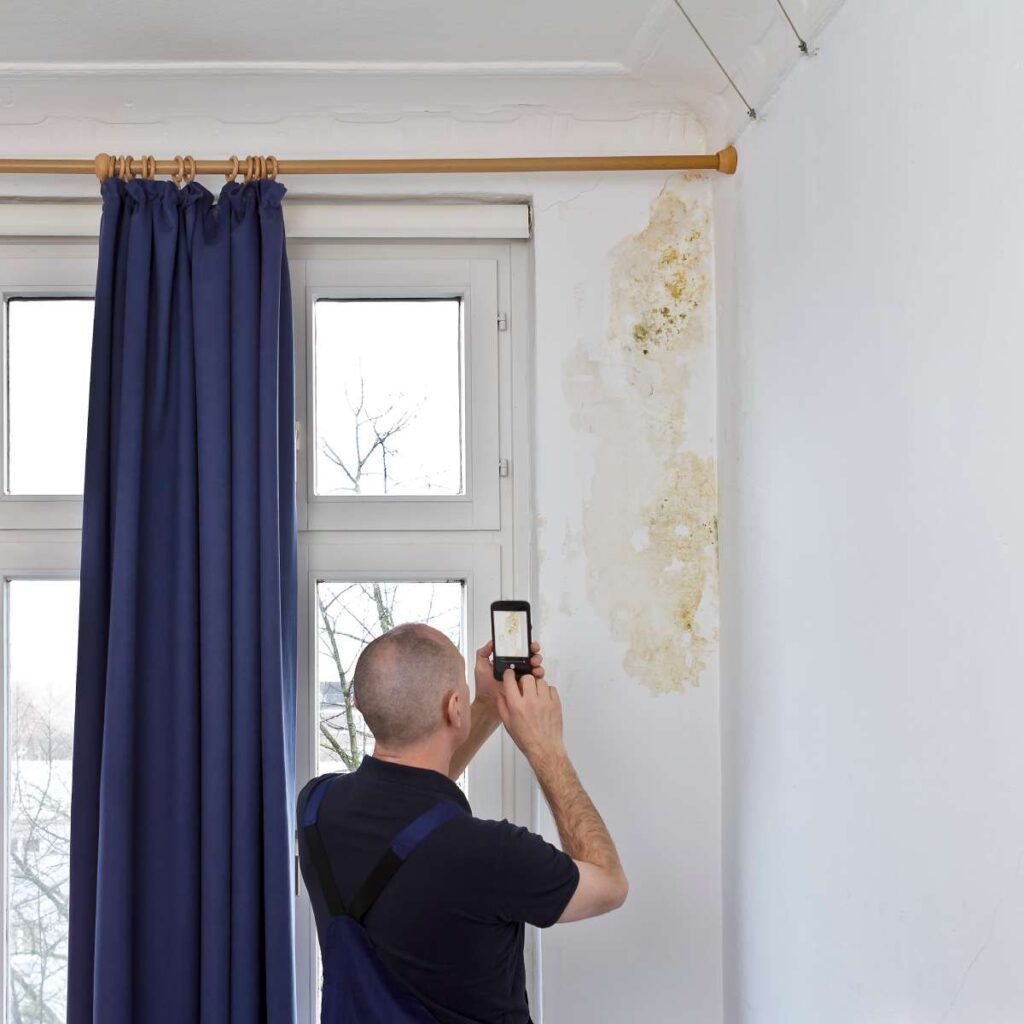
Buying your home is exciting, but it can also be overwhelming. With so much to take in during a short viewing, it’s easy to miss important details that could lead to costly surprises later. That’s why having a clear, practical DIY home survey checklist is essential. Most buyers spend less than 30 minutes assessing a property, far too little time without a structured approach to guide you.
This comprehensive DIY home survey checklist provides an easy-to-follow checklist covering essential inspection points, ensuring you don’t miss crucial details inside and outside the home.
With the help of AI, it’s now easier than ever to spot visible issues during a DIY home inspection. Tools like usurv.ai use image analysis to assess photos you take while viewing a property, flagging potential concerns such as cracks, mould, damp patches, or roof damage. This added layer of insight can help you make faster, more informed decisions, even before calling in a surveyor.

1. Your comprehensive DIY home survey checklist
Exterior and walls
The condition of a property’s exterior provides the first clues to potential internal issues. A thorough external inspection can indicate structural stability, water ingress problems, and maintenance levels.
Roof
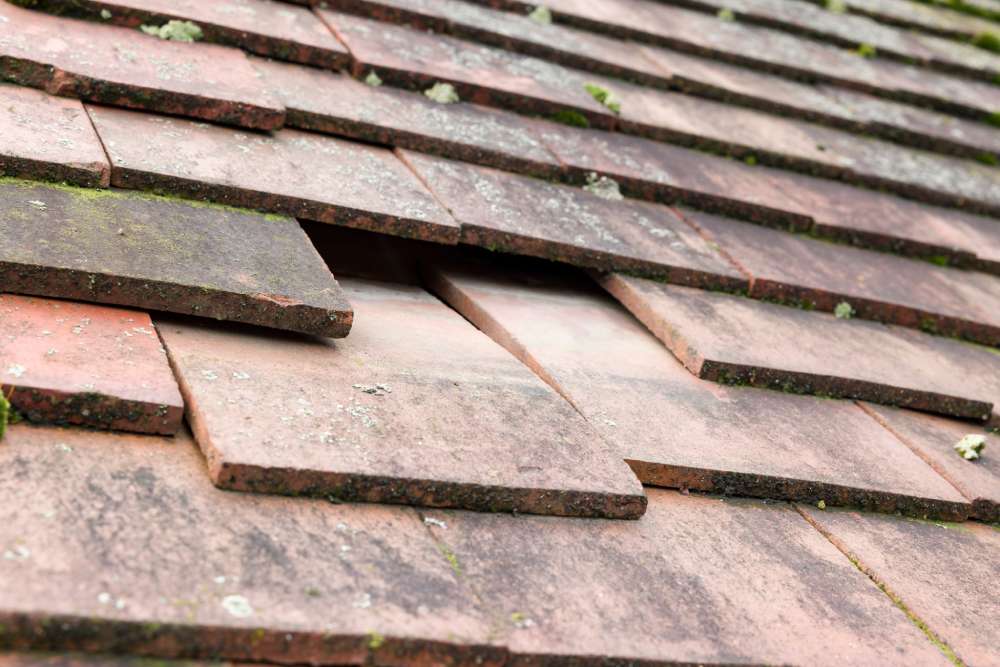
The roof is vital for protecting your home from weather elements. Issues here often result in costly repairs.
- Check for missing, cracked, or loose tiles, sagging rooflines, or leaning chimneys
- Check chimneys for cracks or missing pots, leaning stacks, and flashing integrity
Walls
External walls reveal much about structural integrity and potential dampness.
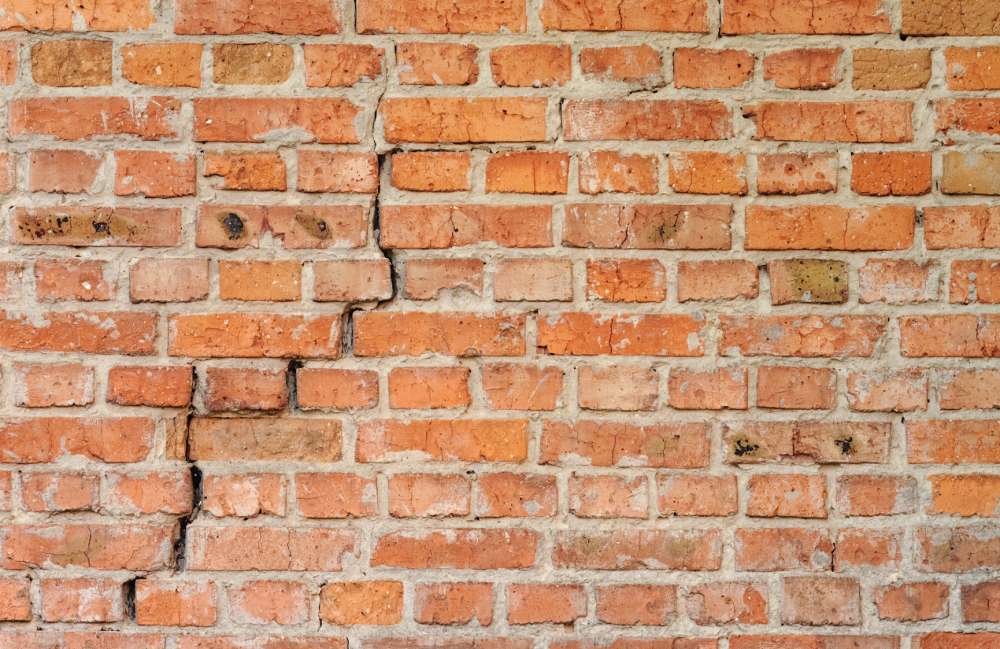
- Diagonal or expanding cracks may indicate structural problems or subsidence
- Check for distorted, bulging, or leaning walls
- Verify Damp Proof Course (DPC) visibility (at least 150mm above ground)
- Look for horizontal cracks (potential cavity wall tie failure) and vertical cracks (thermal expansion)
Gutters and Drainage
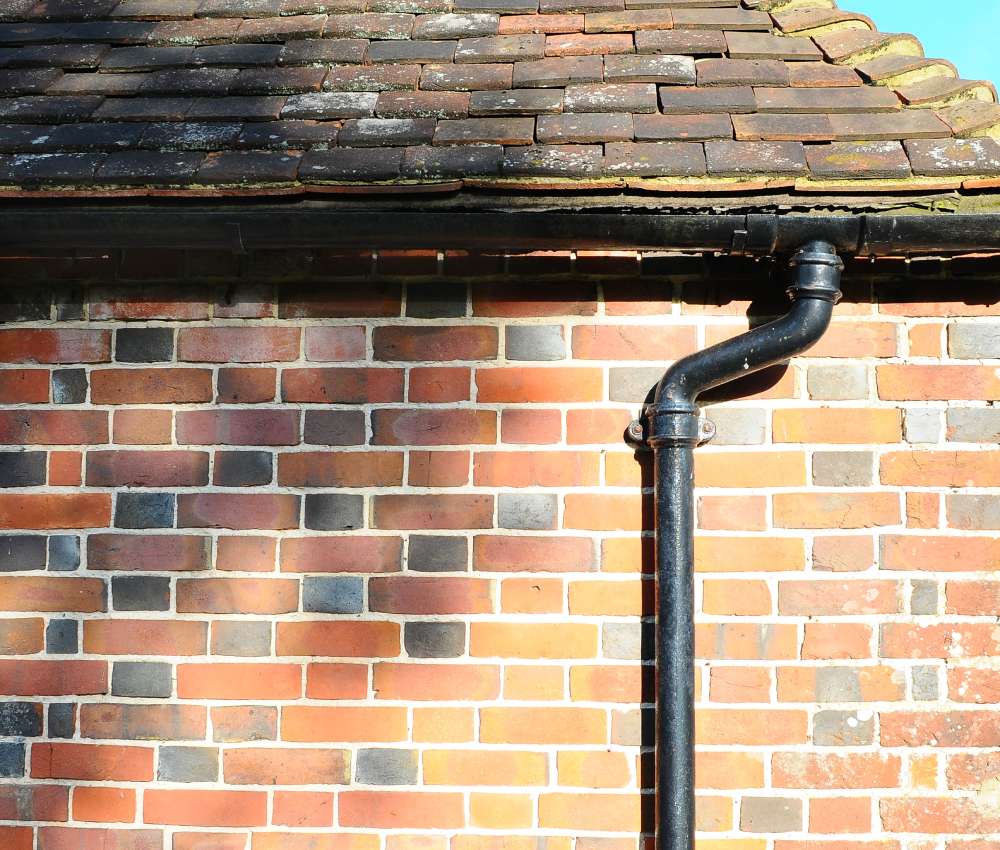
Effective drainage prevents costly water damage and damp issues.
- Confirm gutters are clear, intact, and effectively channel water away from walls
- Ensure there’s no water pooling near foundations
Windows and Doors
Windows and doors significantly impact home security, insulation, and maintenance requirements.
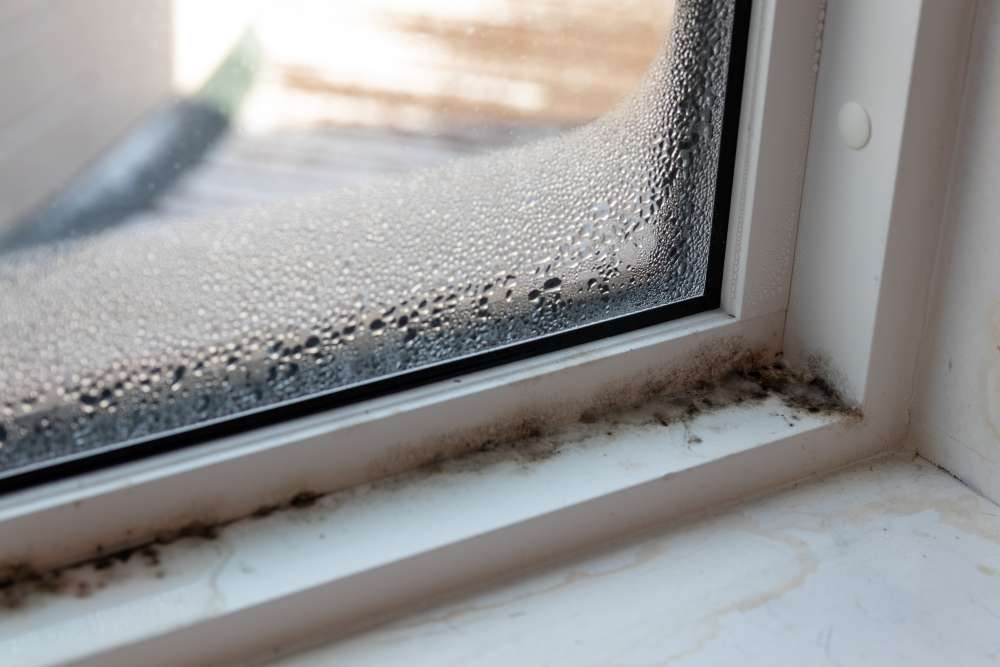
- Check wooden window frames for rot, flaking paint, swelling, or warping
- Check uPVC or metal frames for cracks or damaged seals
- Look for fogging or condensation between double glazing
- Test window and door operation open and close easily
- Can you feel any drafts near windows or doors
Garden and Grounds
A well-maintained garden boosts a property’s value, while poor grounds management might pose hidden risks.
- Check proximity of large trees (roots may impact foundations)
- Inspect for invasive plants (e.g., Japanese knotweed)
- Clearly identify and examine property boundaries and the condition of fences or walls

Garage and Outbuildings
Well-maintained outbuildings add value; however, structural issues can lead to high repair costs.
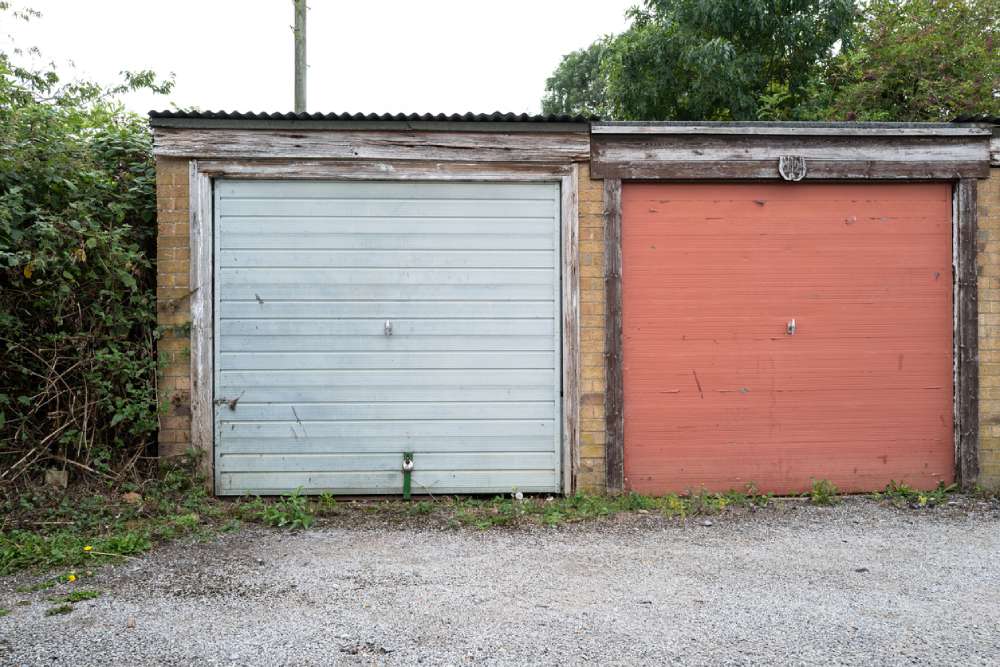
- Check for structural cracks, leaks, or leaning walls
- Ensure locks and doors are functional and secure
Interior Checks
Internal inspections are crucial as hidden problems can directly affect comfort, safety, and finances.
Damp and Mould
Dampness affects both structural integrity and health.
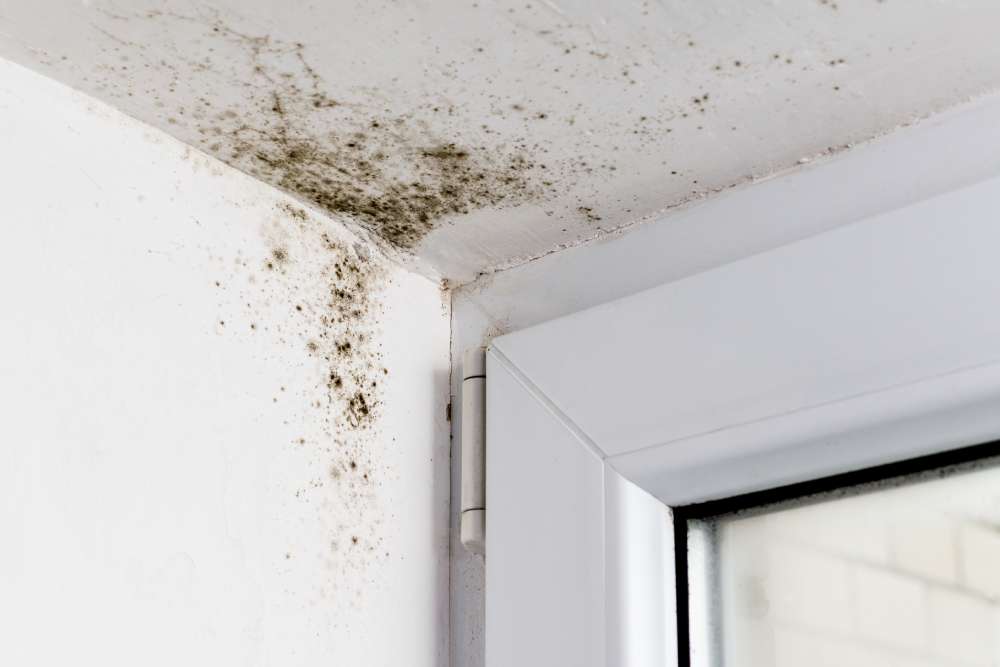
- Look for mould spots, water stains, peeling wallpaper
- Musty smell indicating poor ventilation
- Check if any walls feel cold or wet to touch
Ceilings and Walls
Ceilings and walls can reveal hidden structural issues.
- Note significant cracks, particularly diagonal or near openings (possible structural movement)
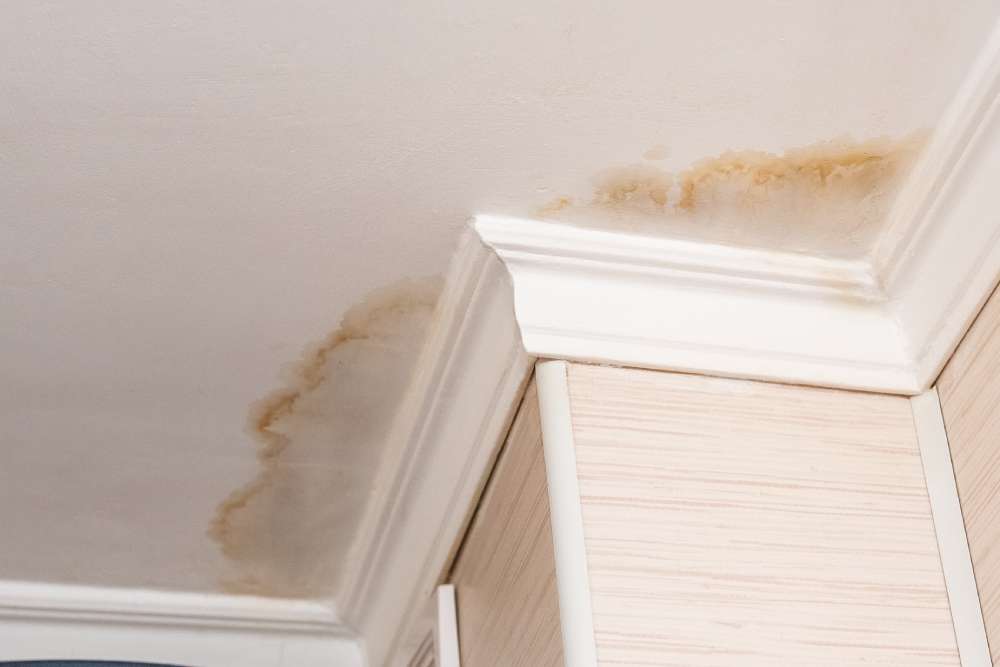
- Inspect ceilings for staining, sagging, or signs of water ingress
- Assess ventilation; extractor fans in bathrooms should work effectively
Floors
Floors can indicate underlying structural or moisture problems.
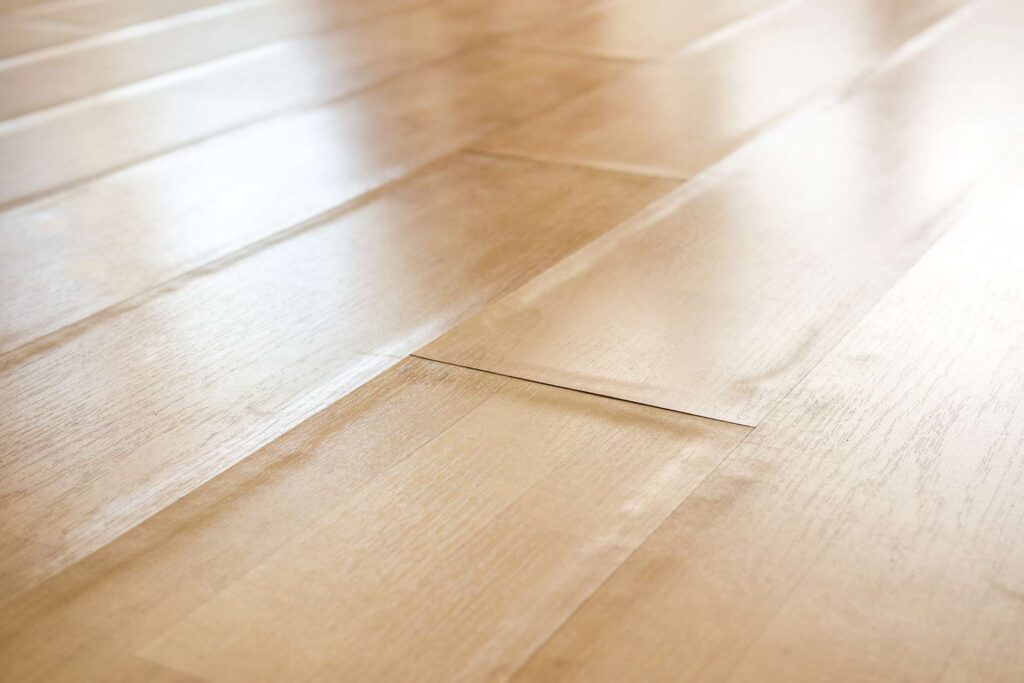
- Feel for unevenness, sagging, or gaps between floor and skirting boards
- Check for cracked, hollow-sounding, or bulging tiles
Kitchens and Bathrooms
These high-use areas are costly to renovate; thorough inspection can prevent unexpected expenses.
Plumbing and Leaks
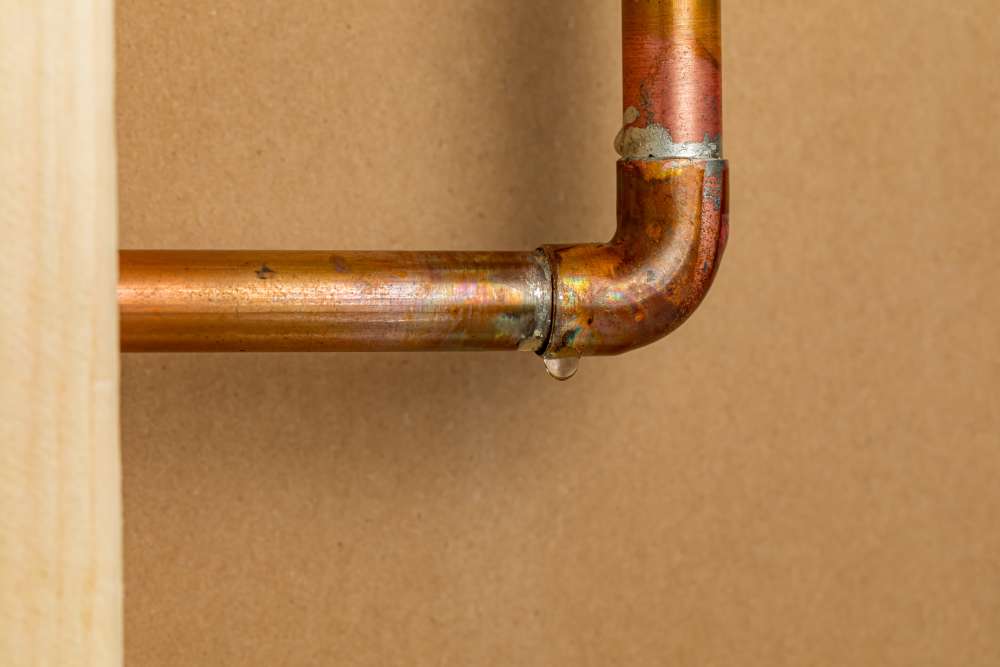
- Run taps and flush toilets; check water pressure and drainage
- Look under sinks, around baths/showers for leaks, damp patches, or water staining
Cabinets and Appliances
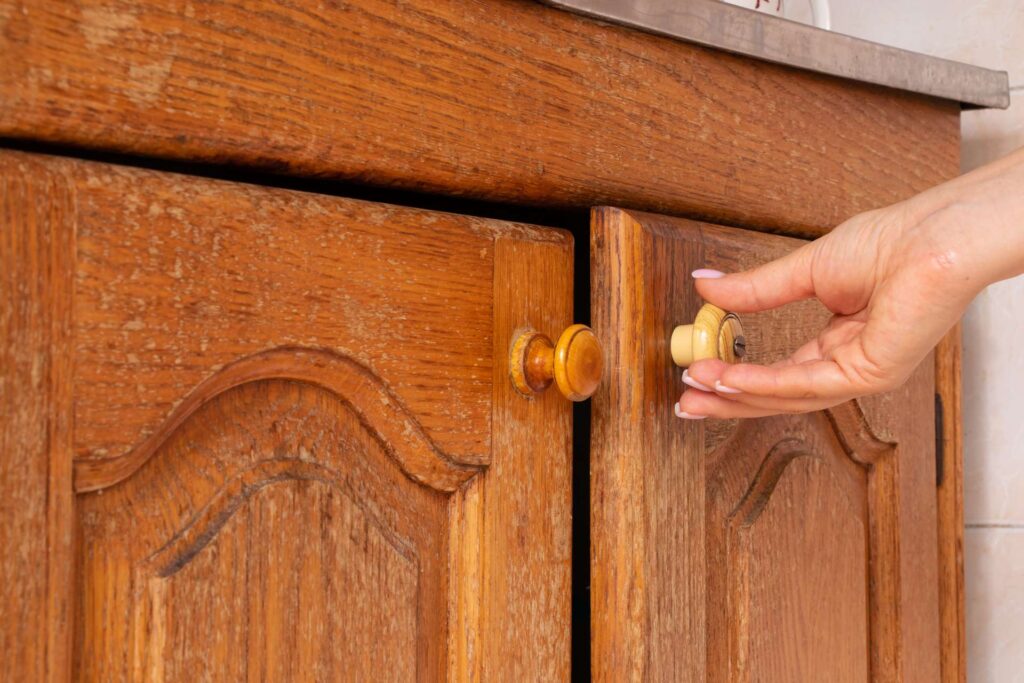
- Open cabinets and drawers, checking for damp smells, leaks, or deterioration
- Briefly test appliances included with the property
Bathrooms
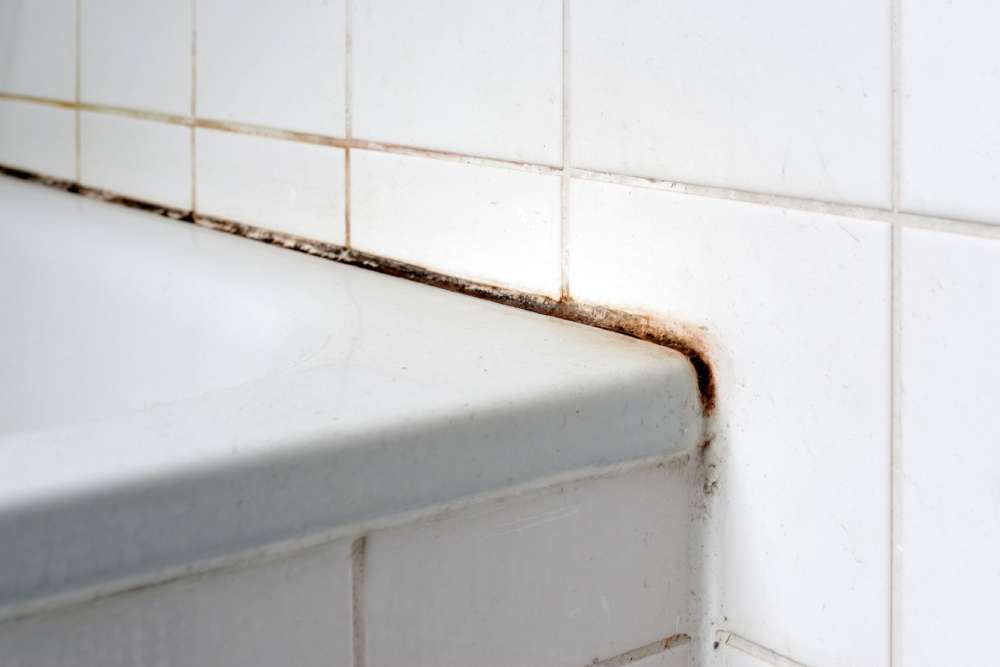
- Inspect sealant around baths, showers, and basins for gaps, mould, or deterioration
- Test extractor fan function and assess overall ventilation effectiveness
- Check for staining or leaks in rooms below bathrooms
Heating, Electrical, and Utilities
Efficient and safe utilities are critical for comfortable living and avoiding future expenses
Heating
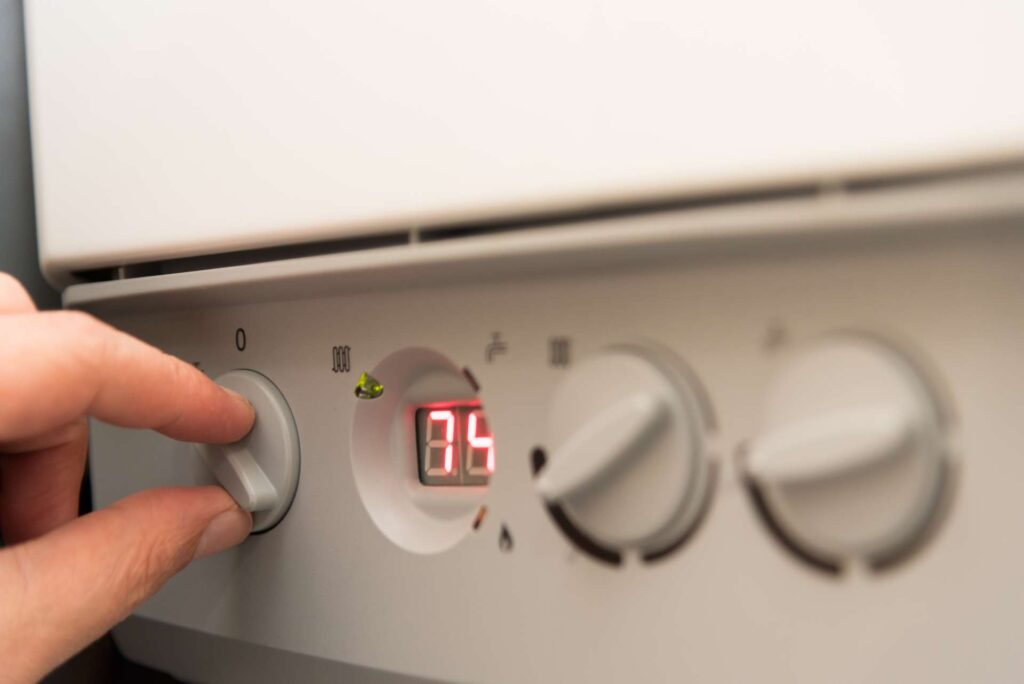
- Check boiler age, condition, last service date, and operational display codes
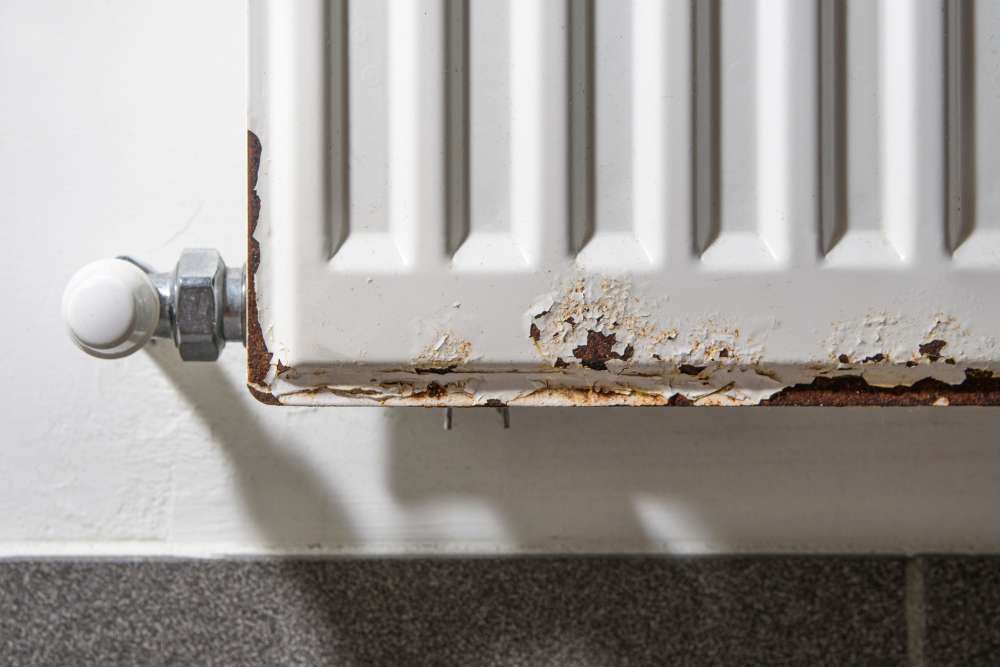
- Inspect radiators for rust, leaks, and working valves
- Do radiators get evenly hot throughout the property
Electrical System
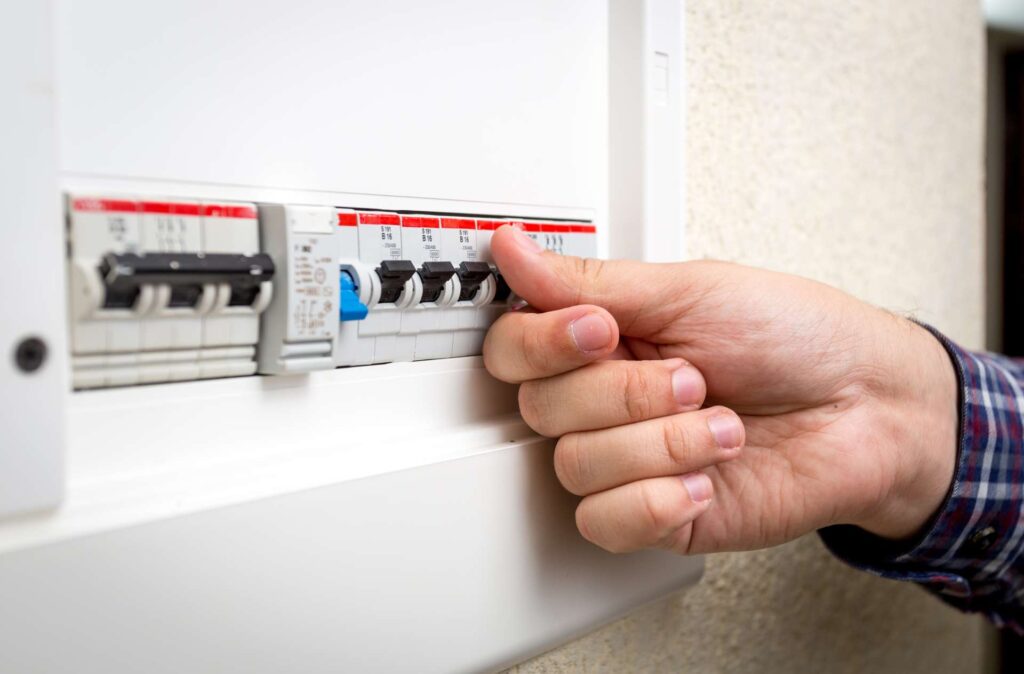
- Identify consumer unit (fuse board); modern circuit breakers are ideal
- Ask for recent electrical inspection certificates (EICR)
- Ensure sufficient and well-placed plug sockets
Gas and Water
- Locate gas boilers or fires; ensure there are no smells of gas
- Check water pipes (test for lead—silver sheen and non-magnetic) and identify internal/external stopcocks
Drainage
- Flush all toilets, observe drainage effectiveness
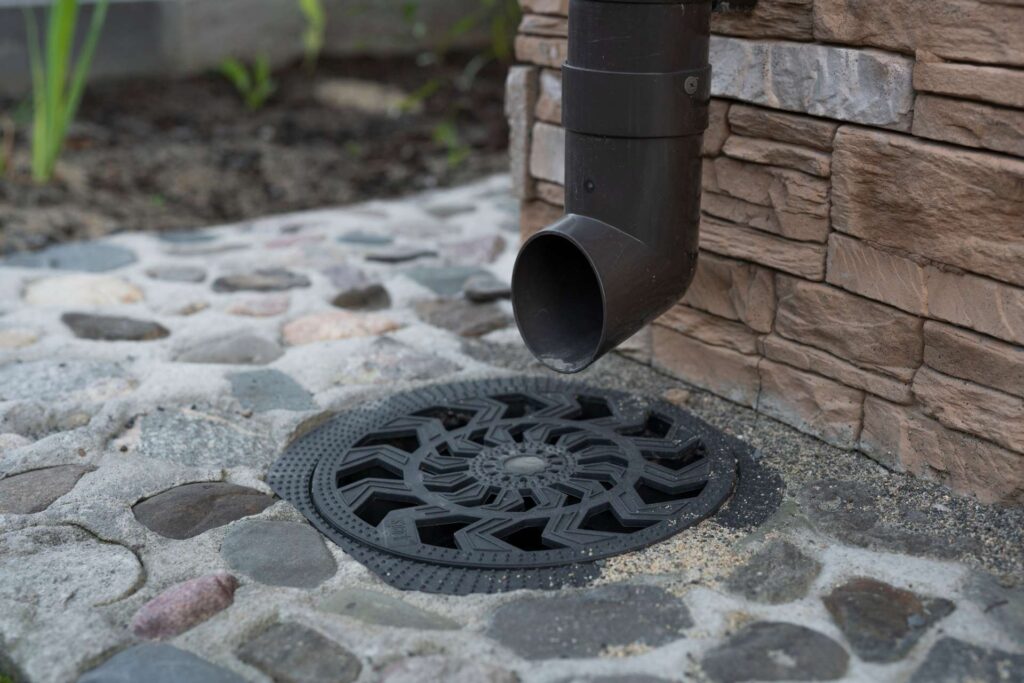
- Locate and examine inspection chambers and external drainage conditions
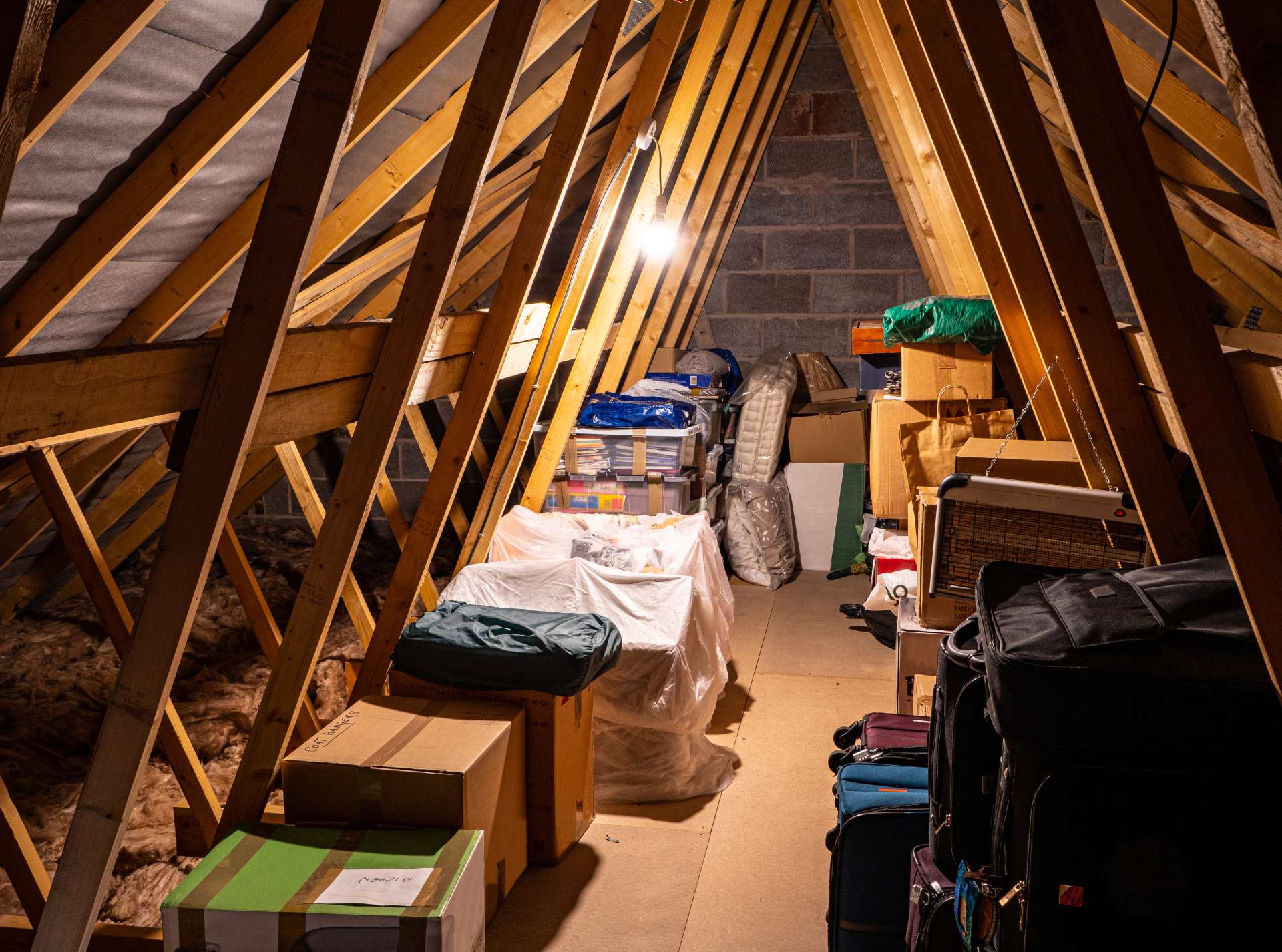
Attic and Insulation
The attic reveals the property’s condition and insulation standards, affecting heating costs and structural integrity.
Roof Structure
- Inspect structural integrity, noting cracks, deflections, mould, or signs of woodworm (small holes, dust)
- Confirm no unapproved structural changes (e.g. Velux windows without proper supports)
- Check for daylight at eaves (adequate ventilation)
Insulation and Asbestos
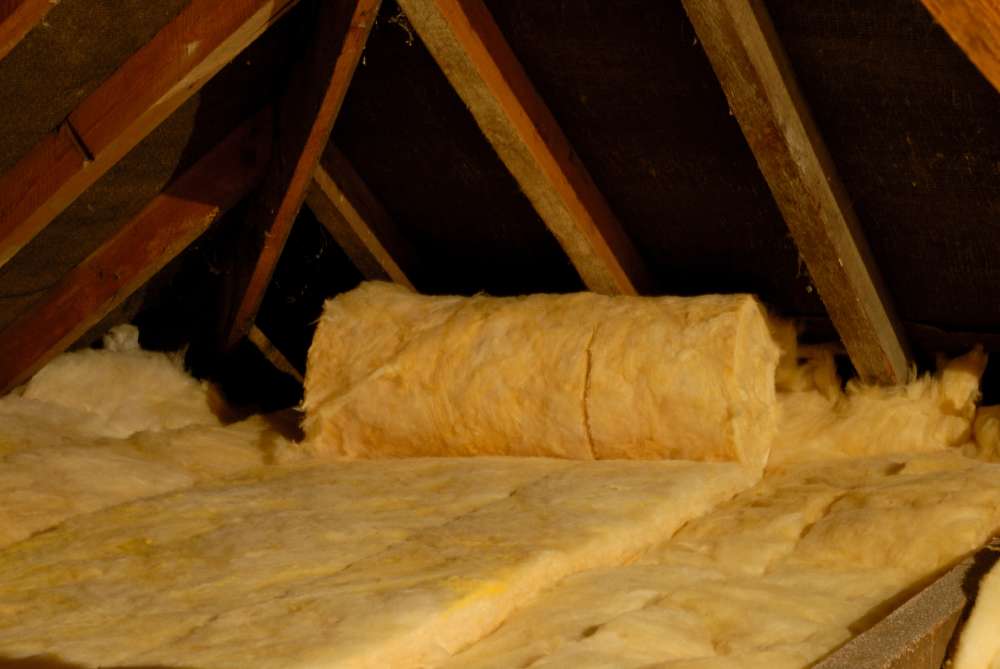
- Assess insulation thickness and condition
- Approach loose insulation materials cautiously; consider asbestos assessment if unsure
2. How AI technology can enhance your viewing
Even with a DIY home survey checklist in hand, it’s easy to miss subtle but important issues during a property viewing, especially when you’re under time pressure or unfamiliar with what to look for. That’s where AI can offer a powerful advantage. Tools like usurv.ai provide an AI home survey pre-check, providing advanced image analysis to scan photos taken during your viewing and instantly flag visible concerns such as cracks, mould, damp, or roof damage. It’s like having an expert pair of eyes on every image, helping you spot potential red flags that could otherwise go unnoticed.
By combining your own observations with AI insights, you can gain a clearer picture of the property’s condition—often within minutes. Whether you’re a first-time buyer or just want added reassurance before making an offer, AI can support faster, more confident decision-making at an early stage in the process.
What AI Can’t Do
While AI home survey tools are great at spotting visible issues from your photos, they can’t detect what’s hidden beneath the surface. Structural movement, internal leaks, asbestos, radon gas, or problems with electrics, plumbing, or ventilation all require specialist equipment or professional assessment. AI surveys are designed to guide and inform, not replace the expertise of a qualified surveyor, so they should be used as an early check, not a final decision-maker.
Download usurv.ai now